


Furnishing Your Panama Home: The Relocator’s Complete Guide
The complete guide to furnishing a home when you move to Panama: ship or buy, what survives the tropical climate, where to buy quality, and furnishing by neighborhood.

You have chosen Panama — the ocean-view condo in Punta Pacífica, the family home in Costa del Este, the restored penthouse in Casco Viejo, or the beach house on the Pacific coast. Now comes the part no relocation checklist prepares you for: furnishing it well, in a climate that destroys the wrong choices and a market you don’t yet know. This is the complete guide — written from Panama, for people who refuse to settle for whatever the showroom happens to have in stock.
The three decisions, in order
Everything comes down to three questions. Get them right and the rest is easy.
1. Ship your furniture, or buy in Panama?
Shipping a full door-to-door container runs about $15,000–$20,000, plus duties, weeks of transit and the real chance that leather, softwood and MDF pieces arrive mould, warped or termite-bait. Ship only a household of genuine hardwood furniture whose value clearly beats that — ideally with a residency duty exemption. Otherwise, buy locally. Read the honest ship-vs-buy cost breakdown →
2. Choose materials that survive the tropics
Panama is nine degrees off the equator: 75–90% humidity, salt air, fierce UV, termites (“comején”) and mould, all year. The furniture that lasts is made of teak and dense tropical hardwoods, powder-coated aluminium or 316 stainless, sealed stone, HDPE wicker and performance fabrics. The furniture that fails — quickly — is MDF/veneer, pine, oak, and leather or natural rattan in open air. See exactly what lasts and what fails →
3. Find a source you can trust
The market runs from imported European luxury (Roche Bobois, Natuzzi) through mass-market chains to a bespoke tier most newcomers never find. The wealthy relocator’s ideal — considered, made-to-measure, climate-built, delivered — is thinly served. Where to buy high-end & custom furniture in Panama →
Furnishing by neighborhood
Where you land shapes what you need. The two worlds are city high-rises and beach/mountain houses.
- Costa del Este — expat families and executives in new high-rises with large open-plan living and big balconies. Furnishing tends to be whole-home and family-durable, with terrace pieces that take sun and rain.
- Punta Pacífica — high-net-worth owners in ocean-view towers and penthouses. Statement pieces, view-framing layouts, terrace furniture built for salt air.
- Santa María Golf & Country Club — the highest tier: penthouses and villas, branded-residence expectations (Fendi Casa is here), bespoke and designer furniture.
- Casco Viejo — design-conscious buyers in restored colonial apartments and boutique penthouses with terraces. Non-standard room dimensions and tight historic staircases make custom sizing almost essential.
- Coronado & Buenaventura — Pacific-coast beach homes with pools and private beach access. Indoor-outdoor living and salt-resistant materials (teak, aluminium, HDPE, performance fabric) are non-negotiable.
- Boquete & the highlands — cooler, lower-humidity mountain homes. The climate calculus relaxes a little, but quality and moisture-stable materials still matter.
The pattern: city buyers furnish space-constrained, terrace-heavy condos (with delivery limited by service elevators); beach and mountain buyers furnish indoor-outdoor houses. Both reward made-to-measure sizing and climate-correct materials — exactly what a fixed catalogue can’t give.
The look: tropical modernism
The dominant affluent aesthetic in Panama is tropical modern — clean modern lines softened by natural materials, organised around indoor-outdoor flow. Teak and stone, rattan and linen (indoors), neutral and earthy palettes, and pieces that live equally well in the living room and on the terrace, framing the view rather than blocking it. Large-format native stone flowing from interior to terrace is a current signature.
How relocators actually furnish (the smart sequence)
- Arrive into a furnished rental. Most upscale rentals come fully furnished, so you can land with just your clothes and avoid rushed decisions.
- Learn your space and light over the first weeks — how the rooms live, where the sun and breeze come from, what your terrace wants.
- Commission the pieces you actually want. Through remote (e-design) consultation you can start before you even arrive, and have made-to-measure, climate-built furniture delivered and installed — no ocean freight, no customs, no gamble.
Why we build the way we do
Marcelina is a Panama studio. We design for this climate and your specific space, build every piece to order in materials chosen to survive humidity, salt and comején, and deliver it white-glove across Panama — no import chain, no MDF, no piece that will swell or mould in a year. It is the “considered, made-for-here” option the market has been missing. Explore our stone furniture, marble and travertine pieces, or start a conversation.
Furnishing a home in Panama? → Book a consultation — we can begin before you land.
Frequently asked questions
How do I furnish a home when moving to Panama?
Work through three decisions in order: (1) ship your furniture or buy locally — usually buy, unless you own a full household of quality hardwood and hold a residency exemption; (2) choose materials that survive the tropics — teak and dense hardwoods, aluminium, sealed stone, performance fabrics, not MDF or leather in open air; (3) pick a source you can trust in a new market. Many relocators arrive into a furnished rental, then commission the pieces they truly want.
Should I ship my furniture to Panama or buy it there?
Ship only if you own a full household of solid-hardwood furniture whose replacement value beats the ~$15,000–$20,000 door-to-door cost of a container, and you qualify for the residency duty exemption. Otherwise buying locally usually wins once you add freight, duties, delay and the risk that pieces arrive damaged or won't survive the humidity. See our full ship-vs-buy breakdown.
What furniture survives Panama's humidity?
Materials that don't absorb water, feed insects or corrode: teak, cumaru, ipe and Spanish cedar; powder-coated aluminium and 316 stainless steel; sealed dense stone; HDPE resin wicker; and solution-dyed performance fabrics over quick-dry foam. Avoid MDF/particleboard, pine, oak, and leather or natural rattan outside air-conditioning.
Where do wealthy expats buy furniture in Panama?
At the top, imported European showrooms (Roche Bobois, Natuzzi, Fendi Casa); high-end local names like Casa Suárez; interior-design firms; and bespoke studios that build to order. The gap most newcomers want filled is considered, made-to-measure, climate-built pieces delivered locally — which custom makers provide.
Can I furnish my Panama home before I arrive?
Yes. Remote (e-design) consultation and turnkey furnishing let you plan and order before you land, then arrive to a finished home. A custom studio can design the whole home to your taste, space and the climate, and deliver it installed — with lead times around 10–16 weeks.
What is the best furniture style for a Panama home?
Tropical modernism: clean modern lines softened by natural materials, built around indoor-outdoor flow. Think teak and stone, neutral and earthy palettes, pieces that live equally well in the living room and on the terrace, and layouts that frame ocean or mountain views rather than block them.
By Marcelina Funk, Founder — Marcelina Furniture Studio, Panama
From our workshop
132 pieces · View all →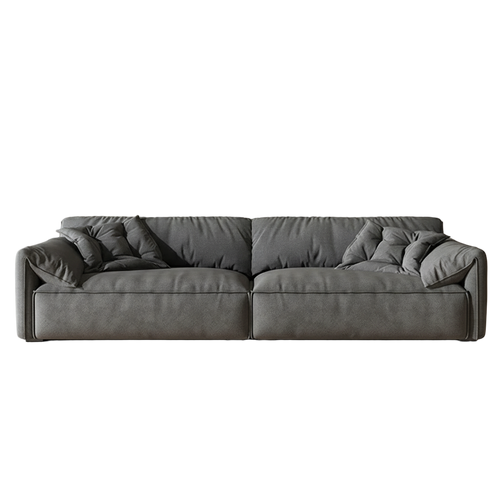 The Lune SofaStarting at $555.00 Member / $740.00 Regular
In stock
The Lune SofaStarting at $555.00 Member / $740.00 Regular
In stock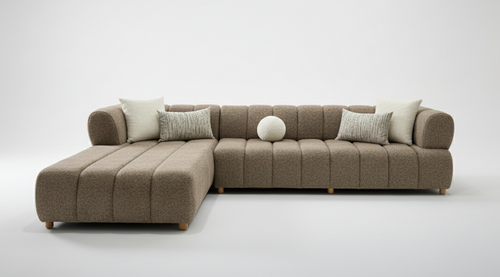 The Bréhat Sectional SofaStarting at $1,575.00 Member / $2,100.00 Regular
In stock
The Bréhat Sectional SofaStarting at $1,575.00 Member / $2,100.00 Regular
In stock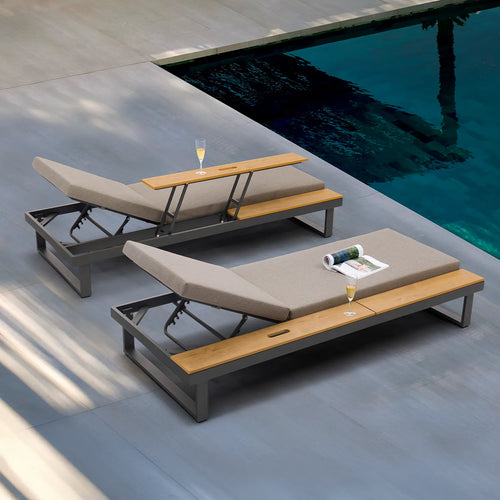 The Belluno Sun LoungerStarting at $2,145.00 Member / $2,860.00 Regular
In stock
The Belluno Sun LoungerStarting at $2,145.00 Member / $2,860.00 Regular
In stock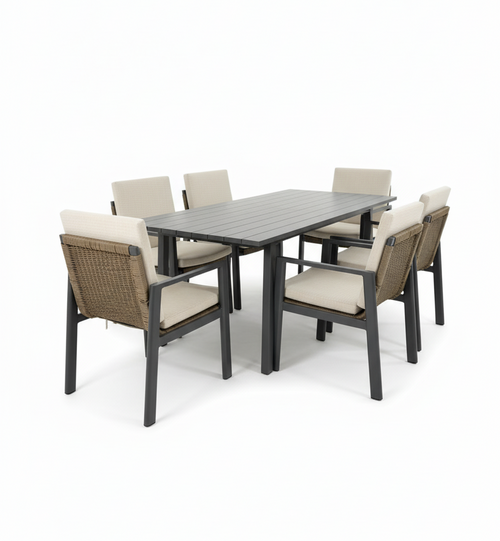 The Golfe-Juan Outdoor Dining SetStarting at $1,650.00 Member / $2,200.00 Regular
Tell us what you imagine. We build it.
Designed with you, built in our own workshops, delivered white-glove across Panama and the US.
Book a Consultation WhatsApp