


Humidity, sun, salt and mould: how Panama's climate damages furniture, and how to choose pieces that survive it.
Panama is a wonderful place to live and a punishing one for furniture. Year-round humidity, heavy rains, direct sun and salt-laden air near the coast each attack in a different way. Understanding how they damage your furniture is the first step to buying pieces that genuinely last.
The four enemies, one by one
Humidity swells and delaminates particleboard and rots poorly dried wood. Sun fades fabrics and dries out finishes. Salt air corrodes iron and ordinary steel hardware. And mould appears wherever ventilation is poor, especially in upholstery and pieces pushed against the wall.
How you build against the climate
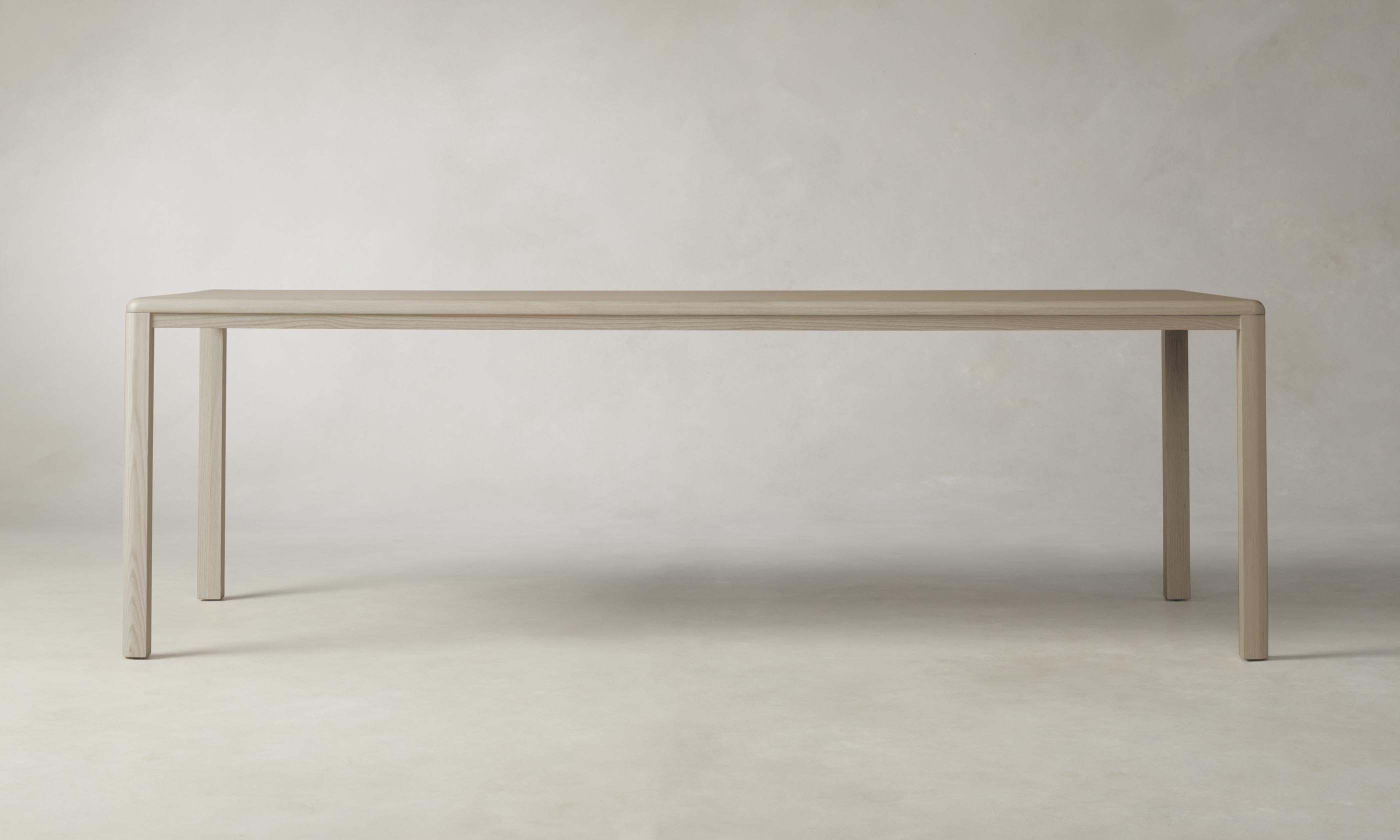
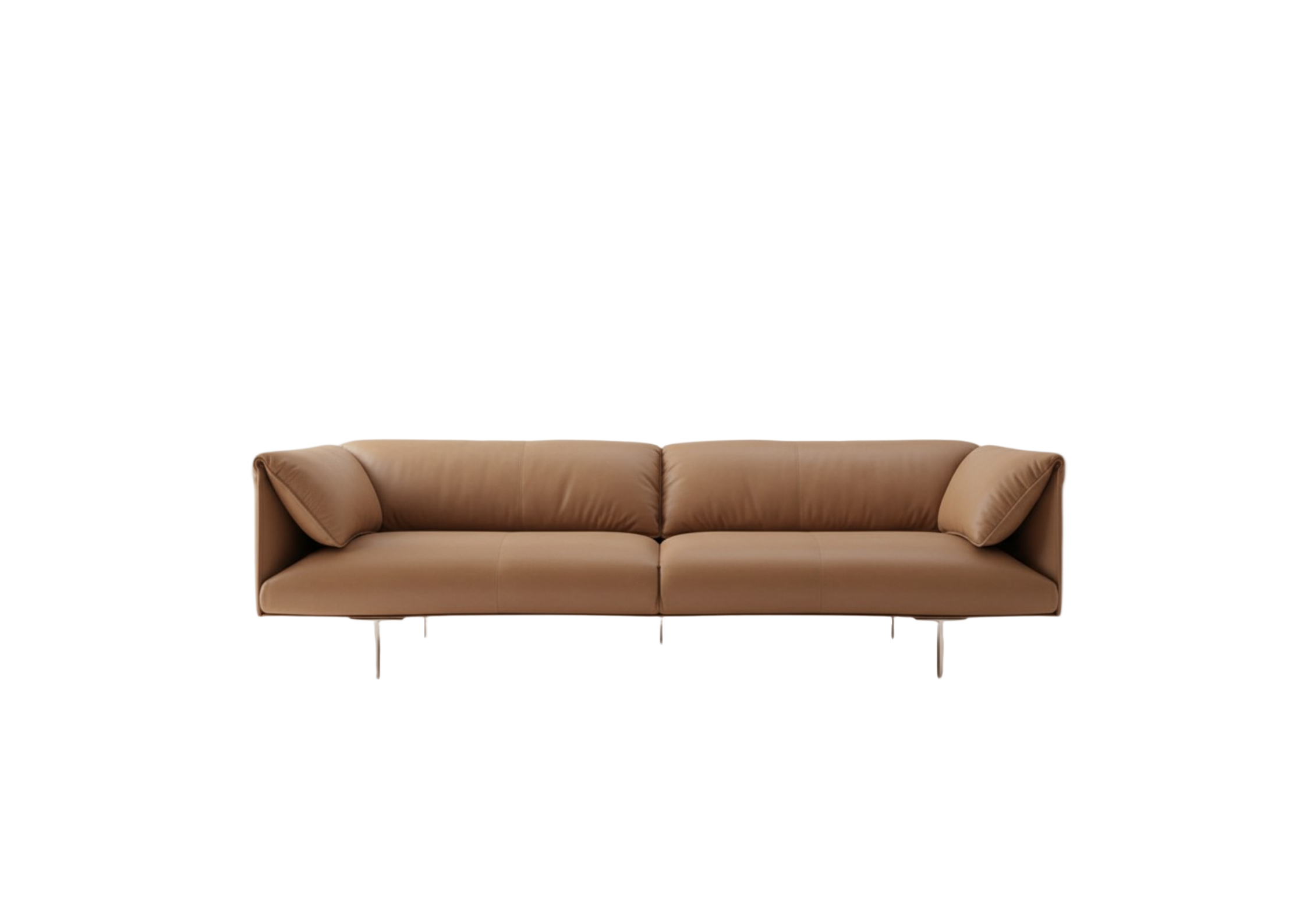
The defence is not a trick, it is construction: well-dried solid wood, stainless-steel hardware, high-performance fabrics, finishes that seal and protect. Commissioning to measure, we choose each material for the climate the piece will live in, not for how it looks in a showroom. From our workroom to your home.
Frequently asked questions
Why does furniture get damaged so quickly in Panama?
Because of the mix of high humidity, direct sun and salt air. Particleboard swells, fabrics fade and iron hardware rusts. Well-dried solid wood and high-performance materials hold up far better.
Does humidity damage solid wood?
Well-selected, properly dried wood stays stable. The problems come from poorly cured wood or from particleboard and melamine, which absorb humidity and swell.
How do I protect my furniture from Panama's climate?
Choose dry solid wood, stainless-steel hardware and high-performance fabrics; keep ventilation and avoid pushing pieces against damp walls. Buying well-built from the start is the best protection.
We choose every material for the climate the piece will live in. From our workroom to your home, with no middleman.
Book a private consultation See furniture collections →


