


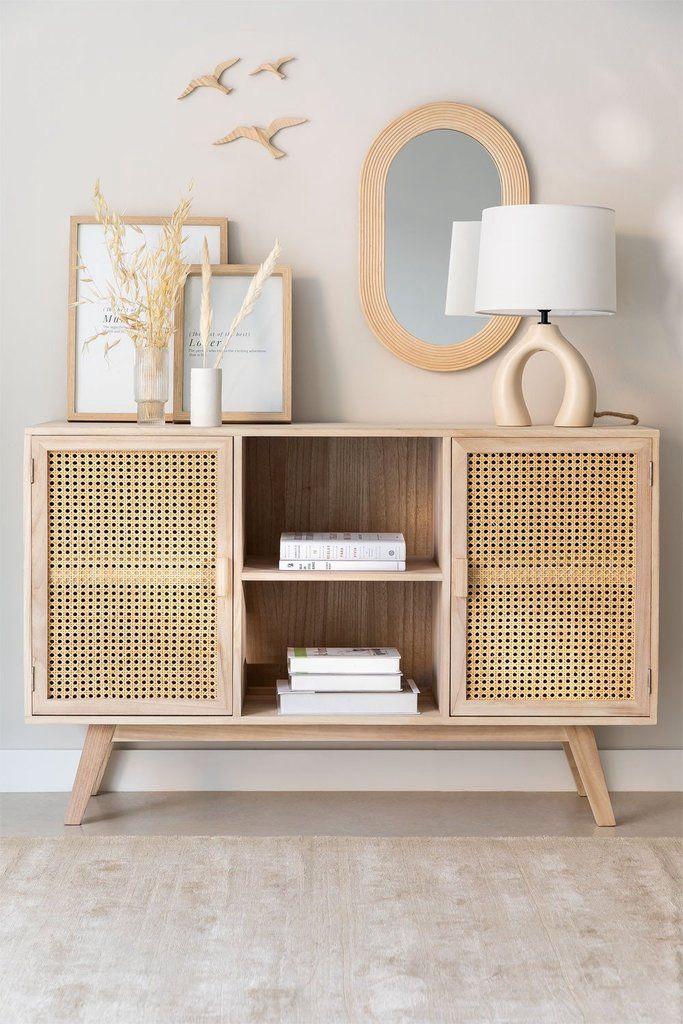
Why wicker, rattan and wrought iron fail by the sea in Panama, and which materials actually last.
Wicker, rattan and wrought iron look wonderful in a beach-house photo, which is why they fill homes along Panama's coast. But by the sea, all three betray you fast: natural rattan and wicker dry out and crack, and iron rusts through in the salt air. Within a season or two, the look you loved starts falling apart.
Why they fail, and what lasts
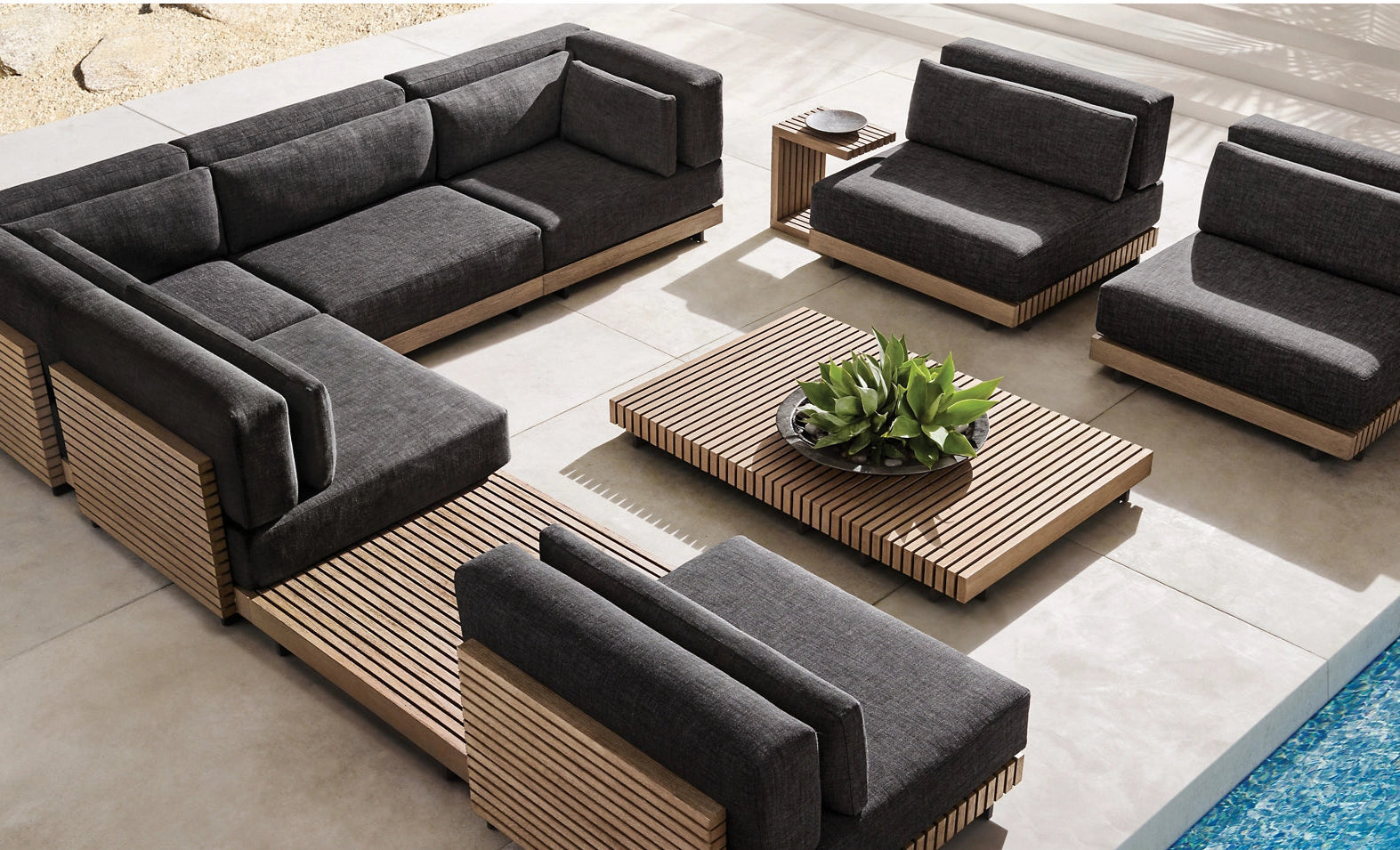
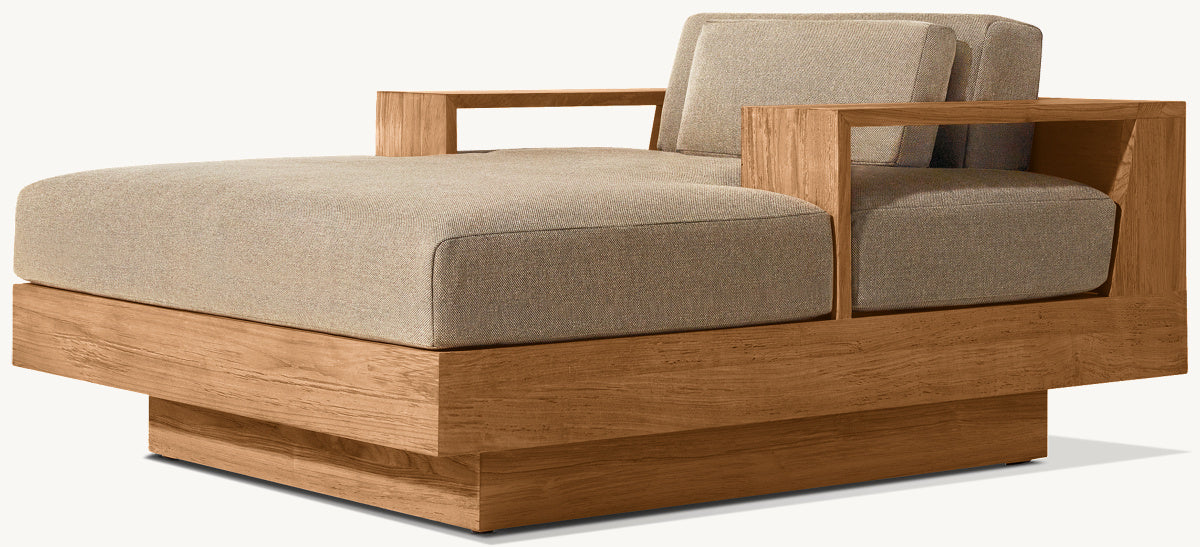
Natural rattan and wicker are fibres that the sun dries brittle and the salt weakens. Iron corrodes no matter how well it is painted. What actually holds up: solid teak, powder-coated aluminium and quality synthetic rattan (HDPE fibre), which mimics the weave without suffering in the climate. You keep the look; you lose the fragility.
The woven look, without the fragility
If you love the warmth of a woven look, you need not give it up: we recreate it in high-performance synthetic fibres over teak or aluminium frames, made to measure for your terrace or beach house. From our workroom to your home, with no middleman.
Frequently asked questions
Why doesn't rattan last at the beach in Panama?
Natural rattan and wicker are fibres that the sun dries brittle and salt weakens, while iron rusts in the salt air. By the sea they often crack or corrode within a season or two.
What replaces rattan and iron at the beach?
Solid teak, powder-coated aluminium and high-performance synthetic rattan (HDPE fibre). They keep the natural look without drying, cracking or rusting in the coastal climate.
Is synthetic rattan better than natural?
For outdoors in Panama, yes. Quality synthetic rattan resists sun, humidity and salt far better than natural, while keeping the same woven look.
We recreate the woven look in materials that resist sun, salt and humidity. From our workroom to your home, with no middleman.
Book a private consultation See outdoor & beach furniture →


