


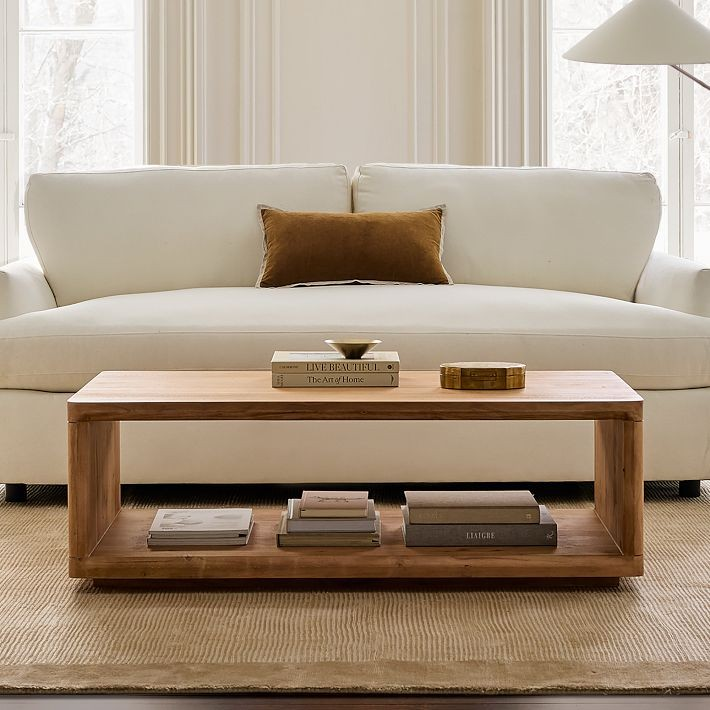
Solid wood, veneer, MDF or melamine: what you are really buying, and how to tell the difference in Panama.
The market is full of furniture with a “wood look” that has very little wood in it. Understanding what you are actually buying, solid wood, veneer, MDF or melamine, is the difference between a piece that lasts for generations and one that swells within two years in Panama's humidity.
The four materials, demystified
Solid wood: genuine boards; the most durable and repairable. Veneer: a thin layer of real wood over a core, it can be fine if the core is good. MDF: pressed fibres; stable but water-sensitive. Melamine: a decorative paper over particleboard; the least resistant to Panama's humidity.
How to tell them apart, and why it matters here
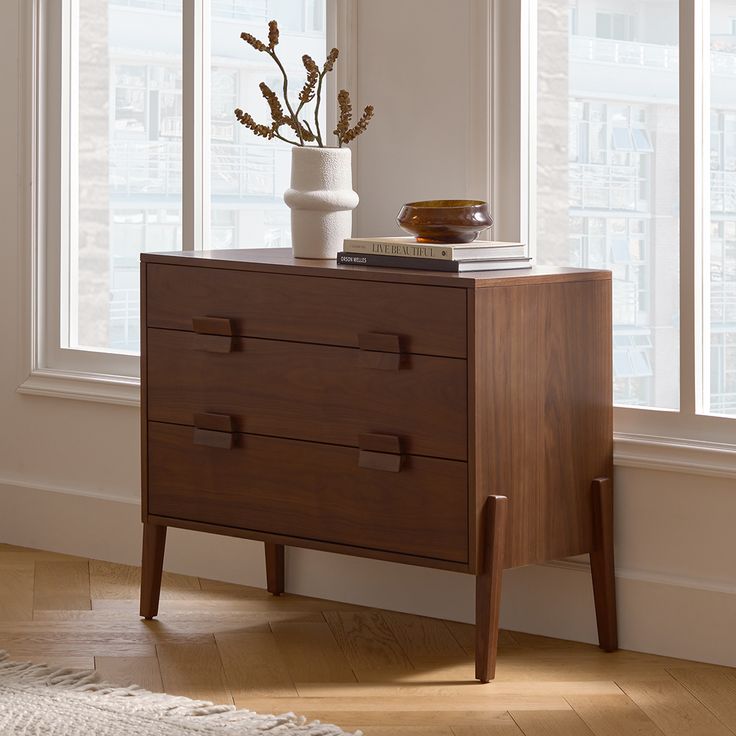
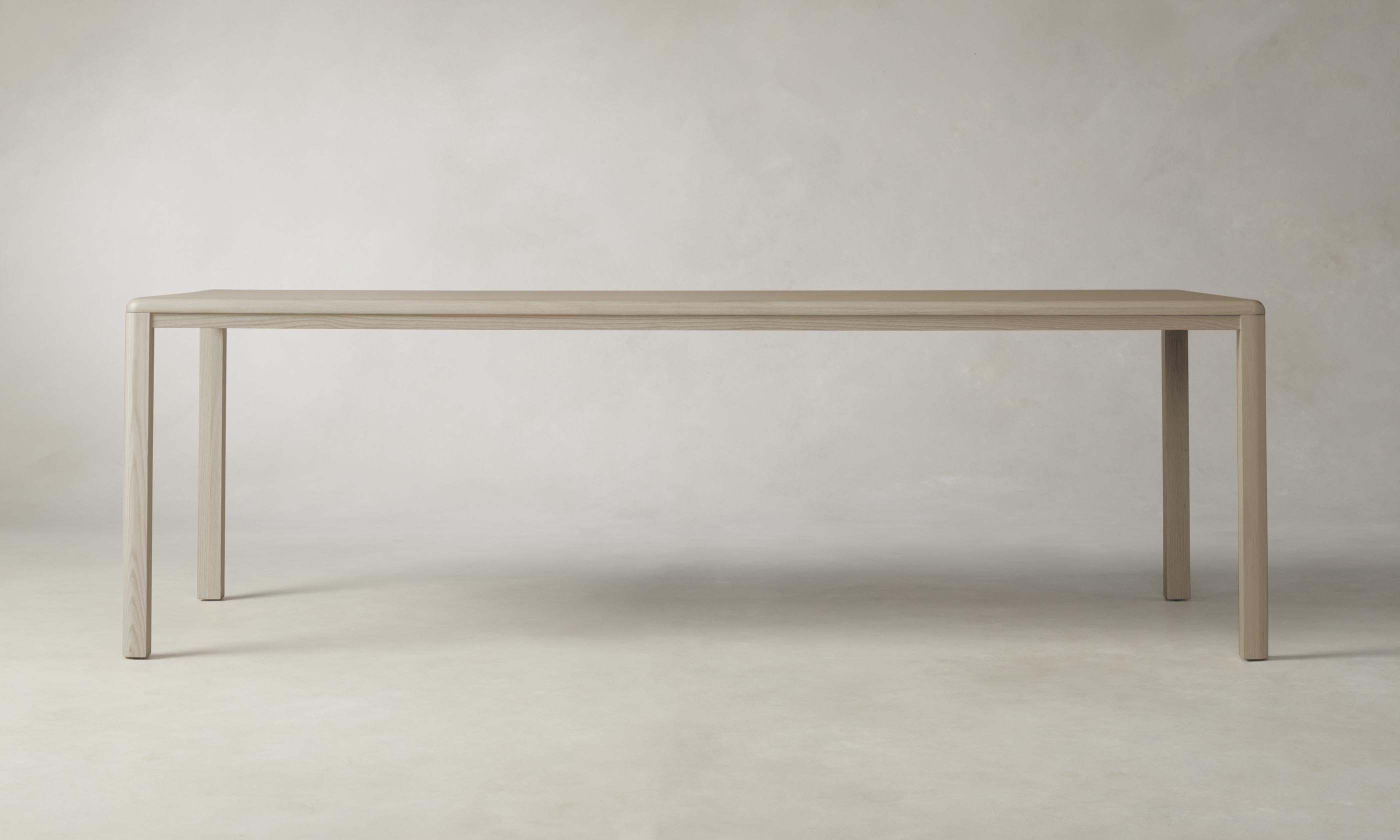
Look at the edges: veneer and melamine reveal their layers; solid wood shows continuous grain. Weigh the piece, check the joints. In Panama's climate, melamine and particleboard swell and delaminate with humidity; well-dried solid wood holds. Ask what is under the finish, and get it in writing.
Frequently asked questions
How do I know if furniture is solid wood or melamine?
Look at the edges: melamine and veneer reveal layers, while solid wood shows continuous grain. Weight, joints and the finish also give the material away.
Is veneer bad?
Not necessarily. Good veneer over a stable core can be elegant and sound. The problem is low-quality cores and finishes that imitate wood without being it.
Why does melamine fail in Panama?
Because its particleboard core absorbs humidity, swells and delaminates. In a humid climate like Panama's, well-dried solid wood is far more dependable.
Certified wood, controlled from start to finish in our workroom. From our workroom to your home, with no middleman.
Book a private consultation See solid-wood pieces → bespoke luxury pieces for the home → our portfolio of finished pieces →


