Should You Ship Your Furniture to Panama or Buy It Here? An Honest Breakdown

You're moving to Panama, the boxes are everywhere, and one question keeps nagging at you: do you ship your furniture, or start fresh once you arrive? It feels like a money decision, but it's really a mix of cost, customs paperwork, weeks of waiting, and whether your beloved pieces will even survive the tropics.

We make custom furniture here, so yes, we have a horse in this race. But you deserve a straight answer, not a sales pitch. The truth is that some things are absolutely worth shipping, and others will cost you more in hassle than they're worth. Here's an honest framework to help you decide.

Start with the right question

The instinct is to ask, "Is it cheaper to ship or buy?" That's the wrong starting point, because it ignores time, paperwork, and risk. A better question is: "Which of my pieces are irreplaceable, and which are just furniture?"

Sort everything into two mental piles. The first pile is sentimental or genuinely irreplaceable items: your grandmother's writing desk, a piece you commissioned years ago, anything that can't be bought again. The second pile is everyday furniture that's perfectly nice but ultimately replaceable. That single distinction will resolve most of your decisions.

What's usually worth shipping

A handful of pieces almost always earn their spot in the container:

  • True heirlooms and one-of-a-kind items. If it can't be replaced at any price, ship it.
  • Pieces with deep sentimental value. The cost of shipping is small next to the regret of letting it go.
  • Furniture you already love and that suits the climate. Solid, well-built pieces travel better than particle-board ones.

Keep this pile small and intentional. The fewer items, the simpler your shipment and your customs paperwork.

Understanding Panama's customs rules

This is where a lot of expats get tripped up, so let's be clear and accurate.

Panama allows you to bring in used household goods with the import tax waived, up to a value limit, but this benefit comes with conditions. You generally need to qualify through residency or an eligible visa, and the items must be genuine used household belongings. This is the route most relocating expats use for the furniture they already own.

A few important caveats:

  • New furniture does not qualify for the used-goods exemption. If you buy brand-new pieces abroad to bring with you, expect them to be treated as dutiable imports.
  • The process is formal and document-heavy, typically involving inventories, valuations, and proof of your status. Mistakes cause delays.
  • Because of all this, working with a licensed customs broker is strongly recommended. A good broker keeps your shipment moving and saves you from costly errors.

We're not going to quote you duty percentages or specific costs here, because those depend on your exact situation and can change. The reliable takeaway: used belongings you already own may come in tax-free under the exemption, while anything new is a different story.

Freight time and the waiting game

Furniture doesn't teleport. Ocean freight to Panama can take anywhere from a few weeks to a couple of months, depending on origin, routing, port conditions, and how smoothly customs clearance goes. Then add the time to deliver and unpack.

Be honest with yourself about that gap. Can you live comfortably without these pieces for that long? Many expats end up buying or borrowing basics anyway while they wait, which can change the math on what's really worth shipping.

The climate-fit factor

Here's something that catches people off guard: furniture that was perfect in a dry, temperate home doesn't always thrive in Panama's heat and humidity.

Solid-wood pieces generally adapt well, especially quality builds. But veneers and panel-based furniture can struggle over time in tropical conditions, even though they're perfectly fine for the right use elsewhere. Pieces with a lot of moisture-sensitive materials may warp, swell, or delaminate.

So before you pay to ship something across an ocean, ask whether it's built for the destination. A piece that suits the climate is a piece worth the journey.

When buying or commissioning locally wins

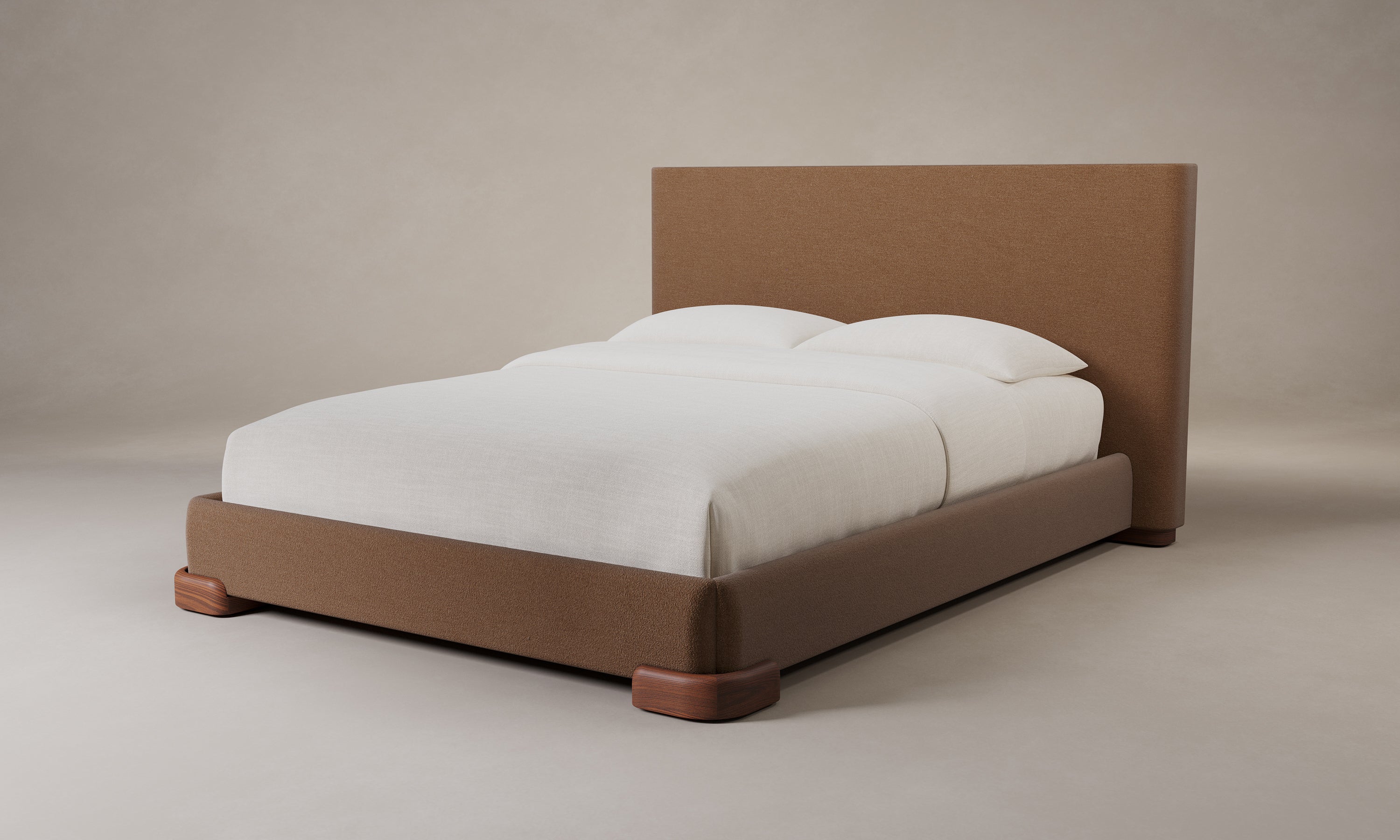
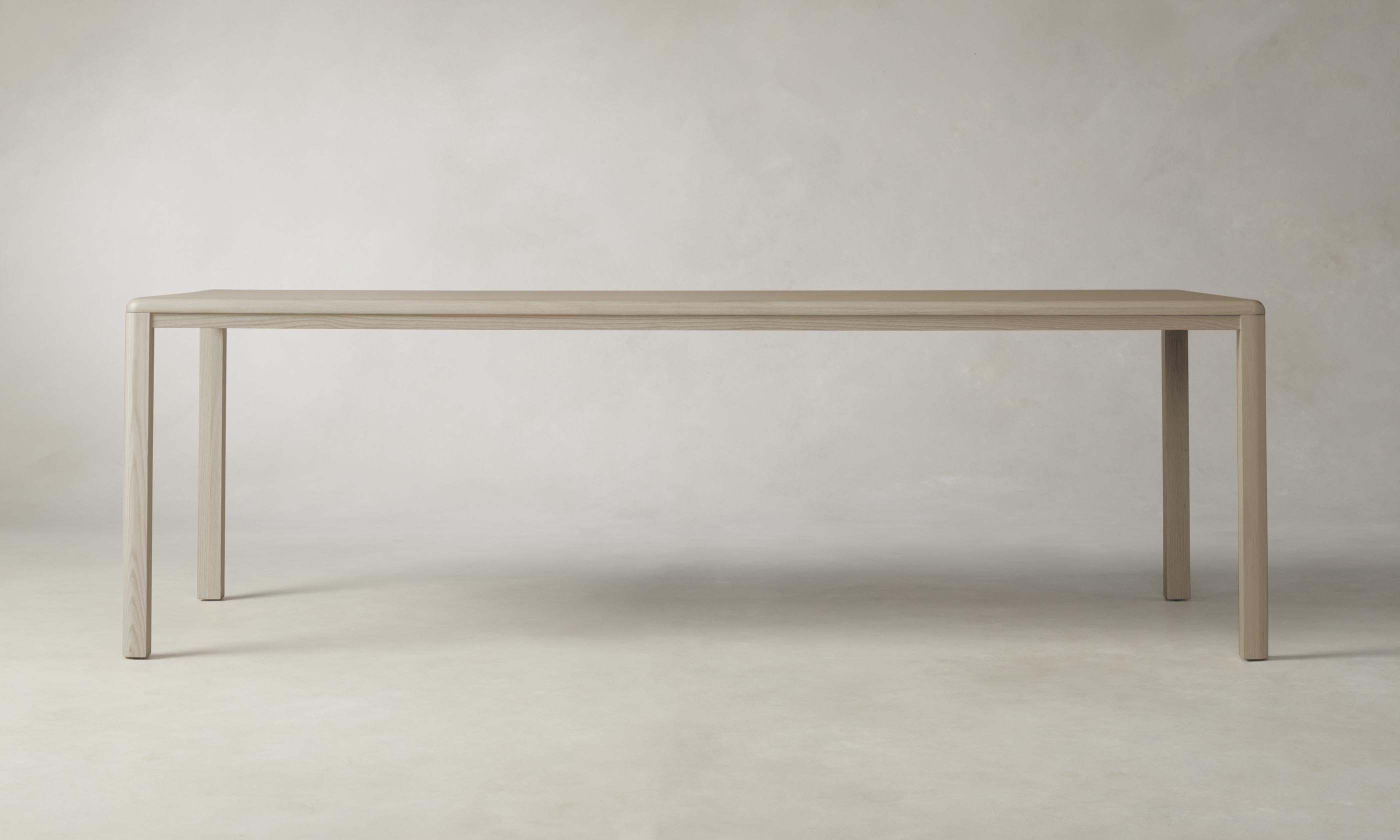
For everything in that second pile, buying here often makes more sense, and commissioning custom can be the best of both worlds:

  • No shipping wait or customs paperwork for those items.
  • Built for the climate from day one, using woods and finishes chosen for tropical conditions.
  • Sized and styled for your new home, rather than squeezing in pieces designed for a different space.
  • Local support if something ever needs adjustment or repair.

Commissioning lets you replace replaceable pieces with something made to last, instead of paying to import furniture that may not fit your new life anyway.

A simple rule of thumb

Ship the few things you could never replace. For everything else, weigh the freight wait, the customs process, and the climate risk against the freedom of starting fresh with pieces built for where you now live. For most expats, the sweet spot is a small, sentimental shipment plus locally made or commissioned furniture for the rest.

Frequently asked questions

Can I bring my furniture to Panama without paying import tax?

Often yes, if they're used household goods you already own and you qualify through residency or an eligible visa, up to a value limit. New furniture does not qualify for that exemption and is treated as dutiable. The process is formal, so a licensed customs broker is strongly recommended.

How long does it take for shipped furniture to arrive?

Ocean freight to Panama typically ranges from a few weeks to a couple of months, depending on origin, routing, and how smoothly customs clearance goes. Plan for a real gap and decide whether you can live without those pieces in the meantime.

Is it better to ship my old furniture or commission new pieces here?

It depends on the piece. Ship what's truly irreplaceable or sentimental. For replaceable items, commissioning locally avoids the wait and paperwork and gives you furniture built for Panama's climate from the start.


Let's furnish your new home the smart way

Ship the irreplaceable, and let us craft the rest in solid wood made for the tropics. Tell us about your space and we'll help you plan pieces designed to last.

Book a Consultation · Living Room · Dining

Related aticles

Custom HTML