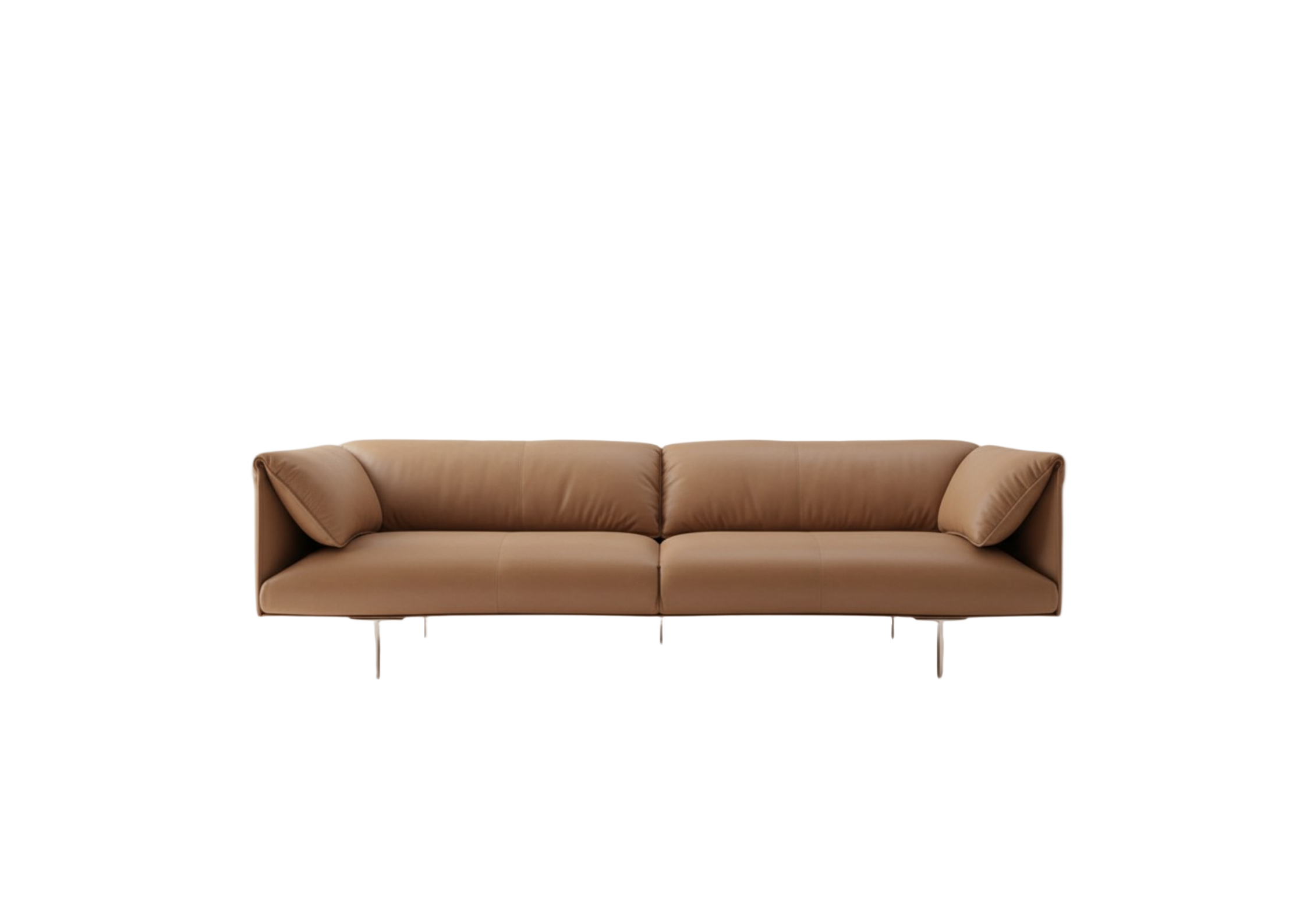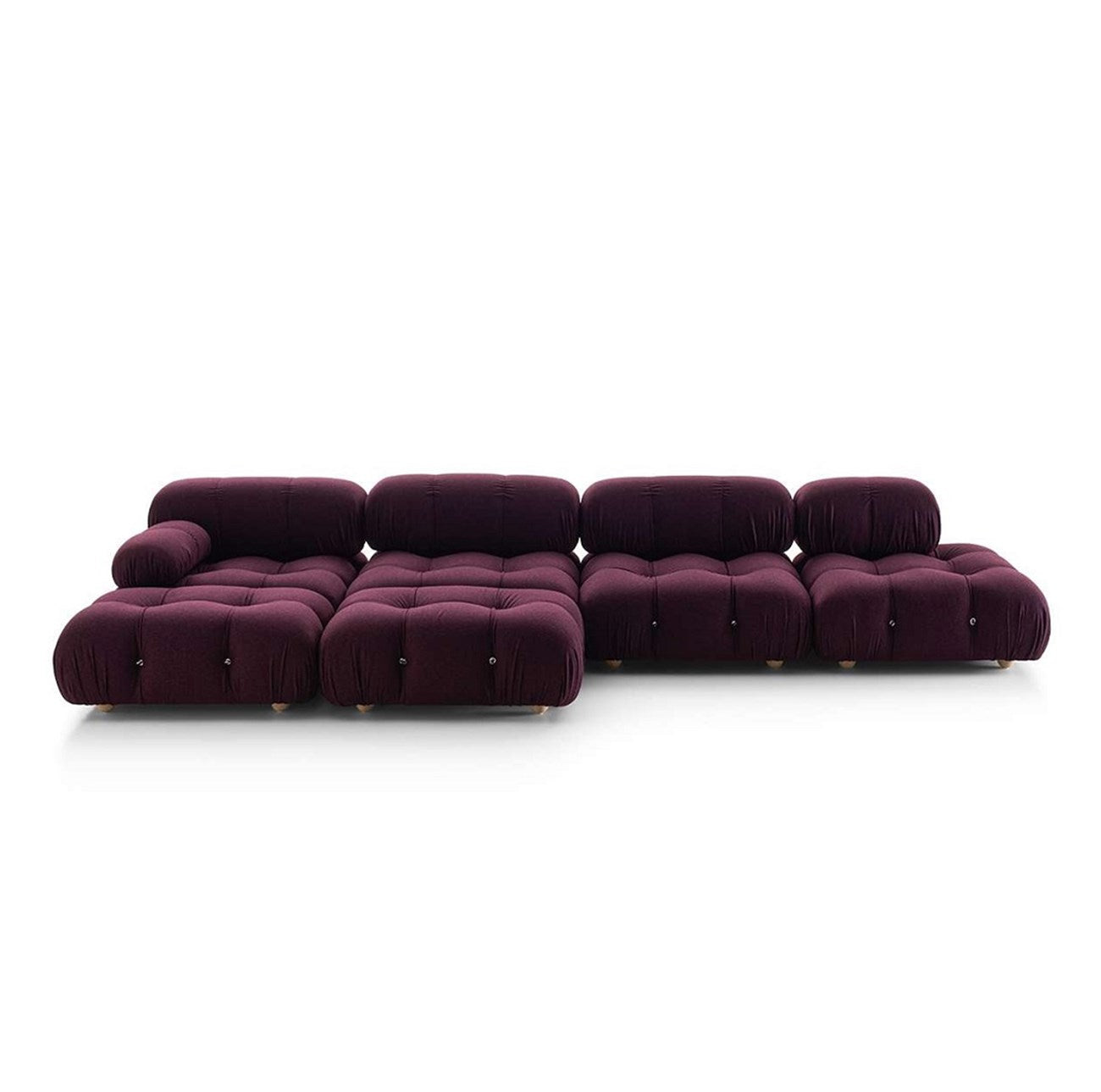
You found a sofa you love, or you sketched the dining table you've always wanted. Then reality hits: how do you actually order it? You're standing in a workshop, phone translator in hand, trying to explain that you want the back taller and the wood darker, and the maker is nodding politely while you both quietly wonder if you mean the same thing. A few weeks later the piece arrives, and the legs are the wrong color, or the dimensions are off by enough to matter, and now you're stuck with something expensive that doesn't fit.
This is one of the most common and most avoidable frustrations expats face in Panama. The truth is, you don't need fluent Spanish to get beautiful, well-made furniture here. You need a clear process, a few key words, and the habit of confirming everything in writing. Here's exactly how to do it.
Where the misunderstandings actually happen
It helps to know where things go wrong, because the failures are predictable, and predictable problems are preventable.
- Measurements get lost in translation. Panama uses the metric system. If you think in inches and feet and the maker works in centimeters, a small conversion slip becomes a big problem in a finished piece.
- "I'll let you know the price" turns into surprises. Quotes given verbally, in passing, or without a written breakdown leave room for misalignment on what's included, how long it takes, and what you actually pay.
- Materials sound the same but aren't. "Wood" can mean solid hardwood or it can mean an engineered panel. Without the right vocabulary, you can't tell what you're buying.
- Timelines drift. Custom work takes time, and "soon" or pronto means different things to different people. Without dates in writing, weeks slide by.
None of this means makers here are unreliable. Most are skilled and proud of their work. It means communication, not craftsmanship, is usually the weak link, and that's the part you can control.
The Spanish furniture vocabulary that actually matters
You don't need to be conversational. You need maybe two dozen words that let you describe what you want and understand the answer. Keep this list on your phone.
Materials and wood
- Madera sólida — solid wood
- Madera maciza — solid (full) wood, often used to stress it's not a panel
- Tablero / melamina / MDF — engineered panel / melamine / MDF
- Teca — teak · Cedro — cedar · Roble — oak · Caoba — mahogany
- Acabado — finish · Barniz — varnish · Mate — matte · Brillante — glossy
Dimensions and shape
- Alto — height · Ancho — width · Largo / profundidad — length / depth
- Centímetros (cm) — centimeters · Medidas — measurements
- Más grande / más pequeño — bigger / smaller · Más alto / más bajo — taller / shorter
Color and surface
- Más claro / más oscuro — lighter / darker
- Tela — fabric · Cuero — leather · Cojín — cushion · Tapizado — upholstered
The business side
- Cotización / presupuesto — quote / estimate
- Anticipo / abono — deposit · Saldo — balance due
- Entrega — delivery · Plazo / tiempo de entrega — lead time / delivery time
- Garantía — warranty · Factura — invoice / receipt
Even using a handful of these tells a maker you're serious and helps the conversation land on the same page.
Confirm everything in writing (this is the whole game)
If you take one thing from this guide, take this: a verbal agreement is not an agreement. Before any money changes hands, get the following in a written message or document, in whatever language you can both read, including translated text if needed.
- Exact dimensions in centimeters — height, width, depth, for every piece.
- The specific material — "solid teak," not just "wood." If it's a panel anywhere, it should say so.
- Finish and color — ideally tied to a physical sample or a photo you both reference.
- Fabric or leather details — type, color, and where it's used.
- Total price and what's included — delivery, assembly, taxes.
- Deposit and balance terms — how much now, how much on delivery.
- Lead time as a date range — "4 to 6 weeks," not "soon."
- What happens if it's wrong — the warranty and the fix.
A reputable maker will be happy to put this in writing. Hesitation to do so is itself useful information.
Measuring like a pro (so the piece actually fits)
Most "it doesn't fit" disasters trace back to one skipped measurement. A few minutes with a tape measure saves you weeks of regret.
- Measure the space, not just the piece. Note the wall length, ceiling height, and any windows, outlets, or radiators the furniture has to work around.
- Measure your doorways and the path in. A gorgeous sofa is useless if it can't get through the door, around the stairwell, or into the elevator. Measure the narrowest point of the journey.
- Work in centimeters. Convert once, carefully, and then communicate only in centimeters. One inch is 2.54 cm. Better yet, measure in metric from the start.
- Photograph the space with a measure visible. A photo with a tape measure in frame gives the maker context words can't.
- Leave breathing room. Furniture needs clearance to open drawers, pull out chairs, and walk past. Don't size to the exact millimeter of the wall.
Questions to ask before you commit
Good questions protect you and reveal a lot about who you're working with. Ask these, and listen for clear, specific answers.
- Is this solid wood throughout, or are any parts panels? A straight answer matters more than the answer itself.
- How was the wood dried and prepared? Proper drying is what keeps wood stable in Panama's humidity.
- Can I see a finished example or a sample of the wood and finish? Seeing beats imagining.
- What's the lead time, and what could delay it?
- What does the warranty cover, and how do repairs work?
- How is delivery handled, and is assembly included?
Why an English-speaking custom studio changes the experience
There's a real, practical reason expats seek out a studio that works in English: it removes the single biggest source of error from the entire process. When you can describe exactly what you want, ask follow-up questions in your own words, and read your quote and confirmation without a translation app, the misunderstandings simply don't happen. You spend your energy on the fun part, designing something you'll love, instead of on damage control.
That's the heart of what we do. We work with English-speaking clients across Panama to design and build custom solid-wood furniture, with every measurement, material, and timeline confirmed clearly in writing, in a language you fully understand. The result isn't just a better piece of furniture. It's the confidence of knowing what you're getting before it's built.
Frequently asked questions
Do I really need to learn Spanish to buy furniture in Panama?
No. A short vocabulary list and the discipline of confirming details in writing will carry you a long way, and working with an English-speaking studio removes the barrier entirely. You can get exactly what you want without becoming fluent.
What's the most important thing to get in writing?
Dimensions in centimeters and the exact material, tied to a sample or photo. Those two are responsible for the majority of "this isn't what I ordered" problems, and they're the easiest to pin down up front.
How long does custom furniture usually take in Panama?
It varies by piece and complexity, so always ask for a date range rather than a single date. The key is getting that range in writing before you pay a deposit, so expectations are aligned from day one.
Let's design it in plain English
Tell us what you're picturing, and we'll handle the measurements, materials, and timeline together, clearly and in writing. No translation app required.