


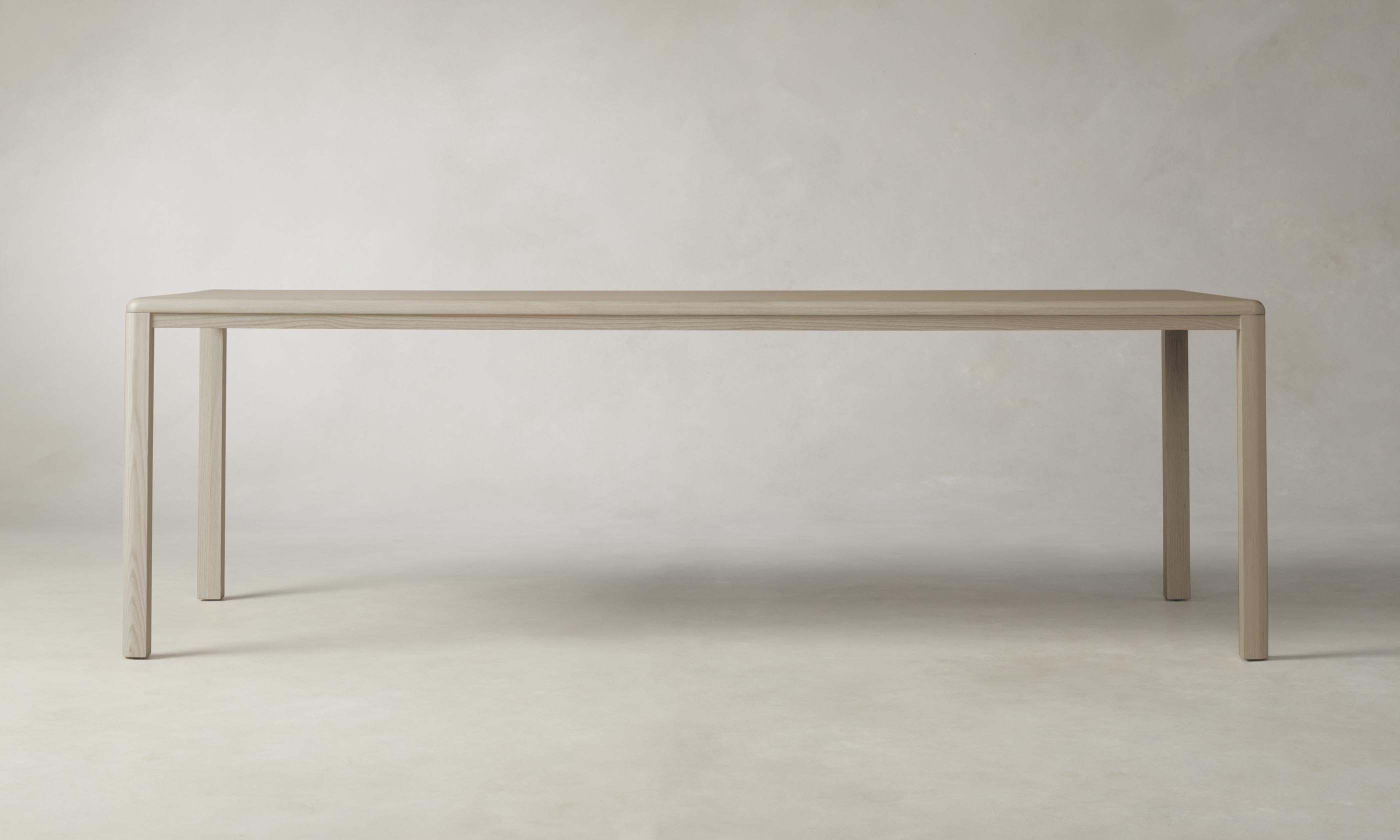
New or used furniture in Panama: the honest trade-offs, and what to inspect before you buy second-hand.
Furnishing a new home in Panama on a budget, many people weigh new against used. The second-hand market can hold real bargains, and real traps, especially in a humid climate where hidden damage is common. Knowing what to look for helps you buy well, whichever route you choose.
The honest trade-offs
Used can stretch a budget and occasionally turns up quality pieces, but beware hidden humidity damage: swollen particleboard, mould in upholstery, rusted hardware, or termite activity in wood. New costs more but lets you choose materials suited to the climate, and with custom, you also get the right size and a piece built to last, with no reseller margin.
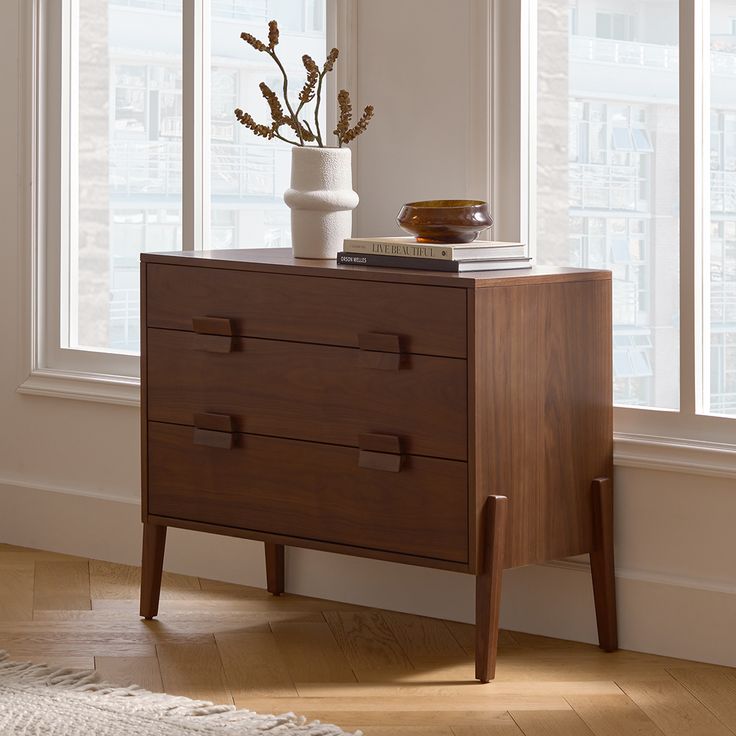
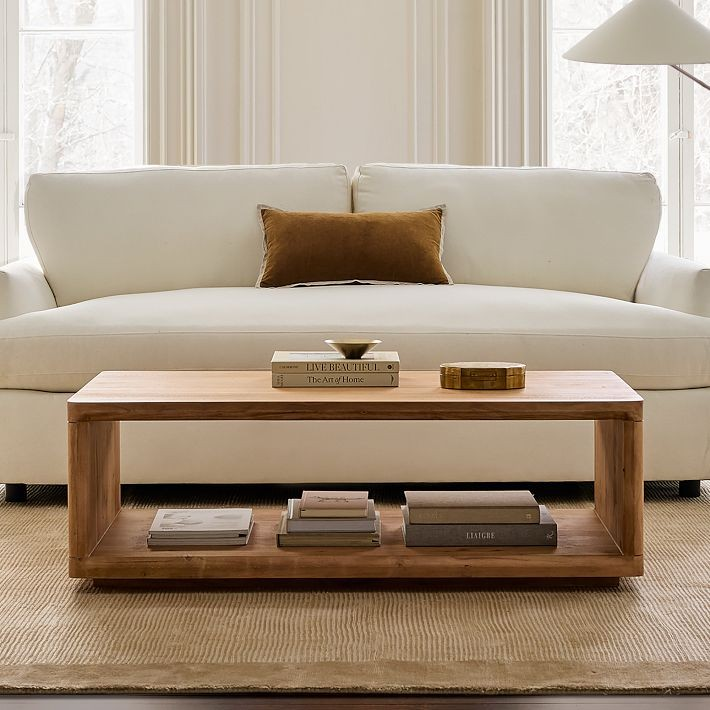
Inspect used carefully, or commission new
If you buy used, inspect edges, joints, hardware and the underside for damp, mould and swelling. If you want certainty, commissioning new lets us choose climate-appropriate materials and size the piece to your space. Either way, the goal is furniture that lasts, not furniture that hides its problems. From our workroom to your home.
Frequently asked questions
Is used furniture a good idea in Panama?
It can stretch a budget and occasionally turns up quality, but humidity causes hidden damage. Inspect edges, joints, hardware and the underside for swelling, mould, rust and termite activity before buying.
What should I check on used furniture?
Look for swollen particleboard, mould in upholstery, rusted hardware and any sign of termites in wood. Solid-wood pieces in good condition are the safest second-hand buys.
New or custom, which is better value?
Custom costs more than budget used or retail but gives you climate-appropriate materials, the right size and a piece built to last, with no reseller margin. For anchor pieces, that value compounds over time.
We choose climate-appropriate materials and size each piece to your home. From our workroom to your home, with no middleman.
Book a private consultation See solid-wood pieces →


