


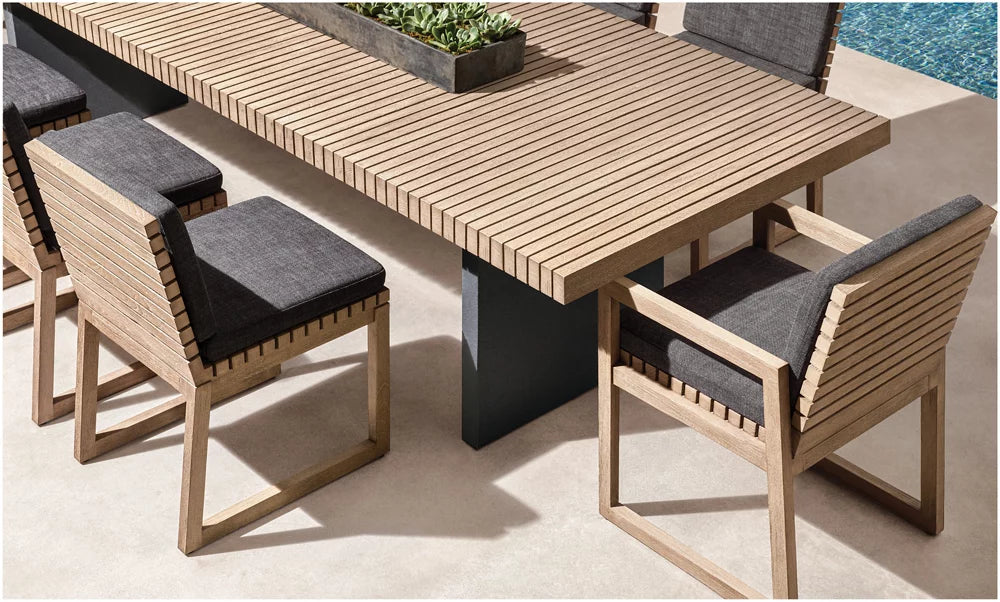
Why teak resists rot, termites and warping in Panama's climate, and how to choose it well.
If one wood has earned a near-mythical reputation in the tropics, it is teak. Boat-builders have trusted it for centuries, and for good reason: teak resists the three things that destroy furniture in Panama, rot, termites and warping. Here is why it works, and how to choose it well.
The chemistry behind the reputation
Teak is dense and rich in natural oils and silica. Those oils, notably tectoquinone, make it rot-resistant and deter termites, which prefer softer, damper timber. Its tight, stable grain resists the swelling and shrinking that make lesser woods warp as humidity swings. No wood is indestructible, but teak resists and deters better than almost any other.
Choosing teak well
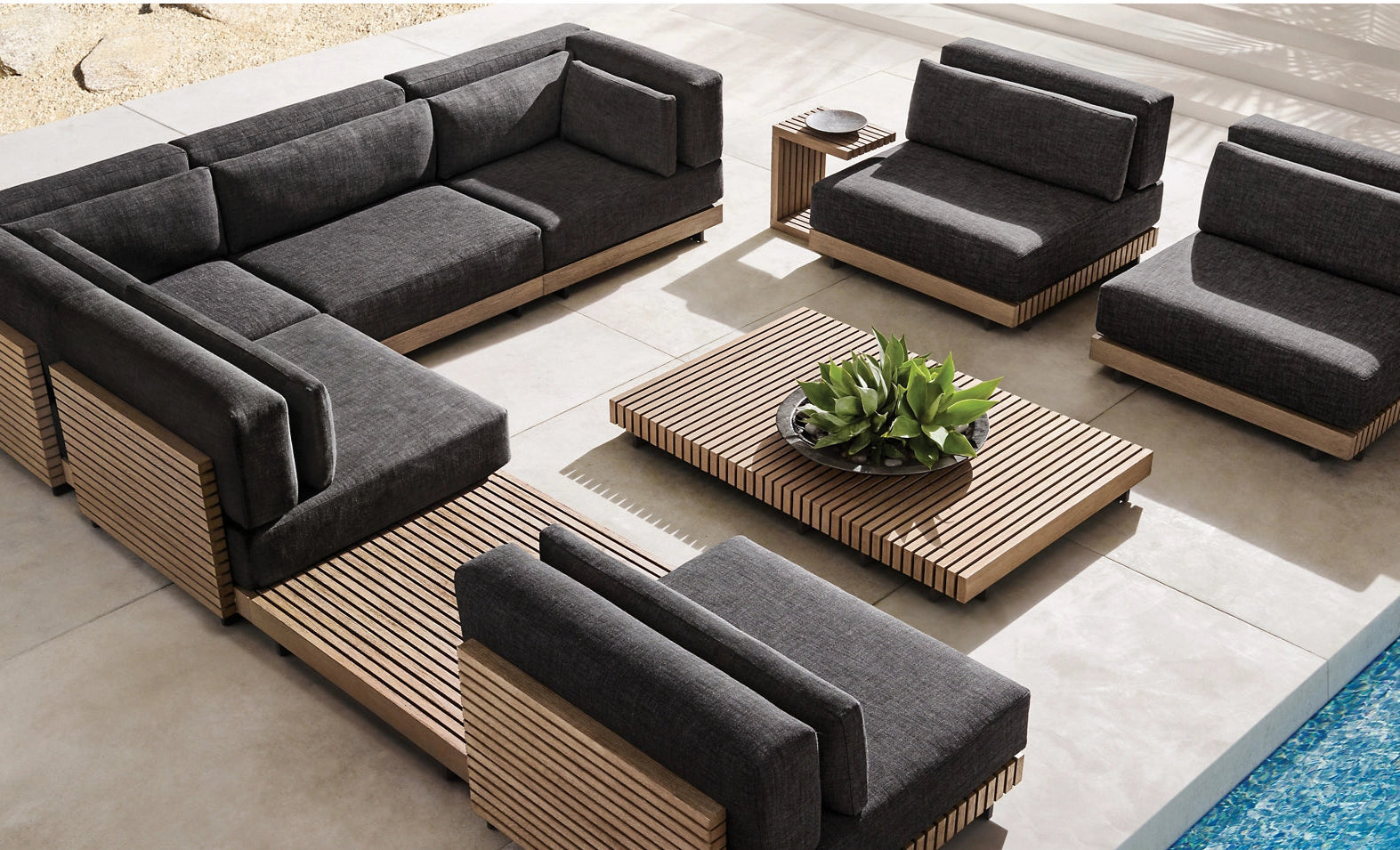
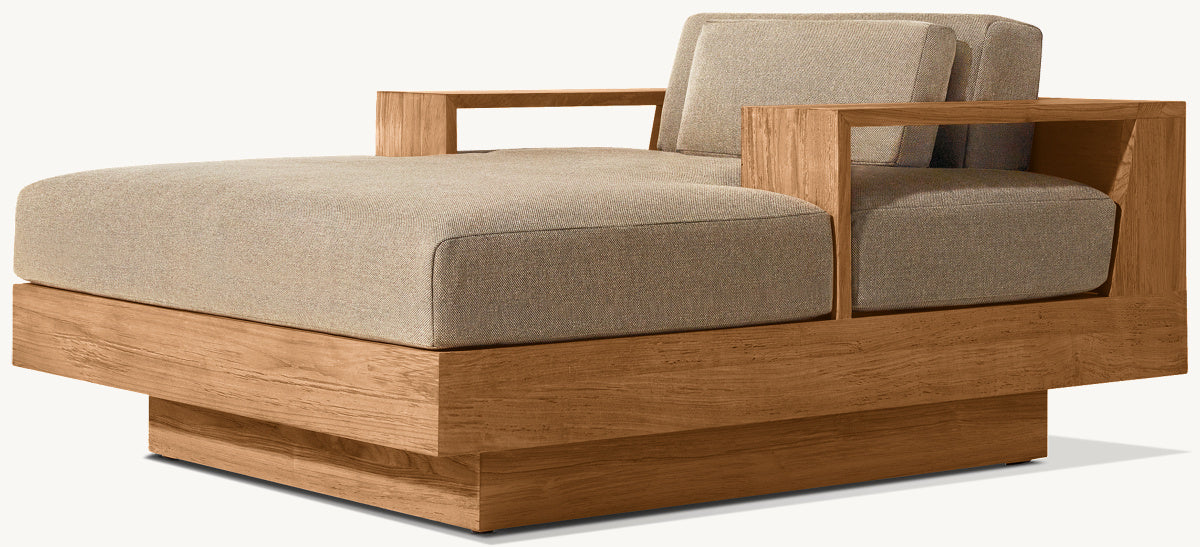
What matters is mature heartwood, not young sapwood, and honest construction: reinforced joinery and stainless-steel hardware. Left outdoors, teak takes an elegant silver patina; oil it once or twice a year to keep the golden tone. Commissioned to measure, it is sized for your real terrace and built to last decades. From our workroom to your home.
Frequently asked questions
Is teak really termite-proof?
No wood is termite-proof, but teak deters them thanks to its natural oils, making it far less appealing than softwoods. Its resistance depends on using mature heartwood.
Does teak warp in Panama's humidity?
Teak's tight, oily grain is exceptionally stable, so it resists the swelling and shrinking that warp lesser woods. Proper drying and construction complete the picture.
Does teak need a lot of maintenance?
Very little. Left outdoors it takes a natural silver patina and needs only cleaning; an occasional oiling keeps the original golden tone.
We help you choose the right grade and finish for Panama's climate. From our workroom to your home, with no middleman.
Book a private consultation See teak outdoor & terrace furniture →


