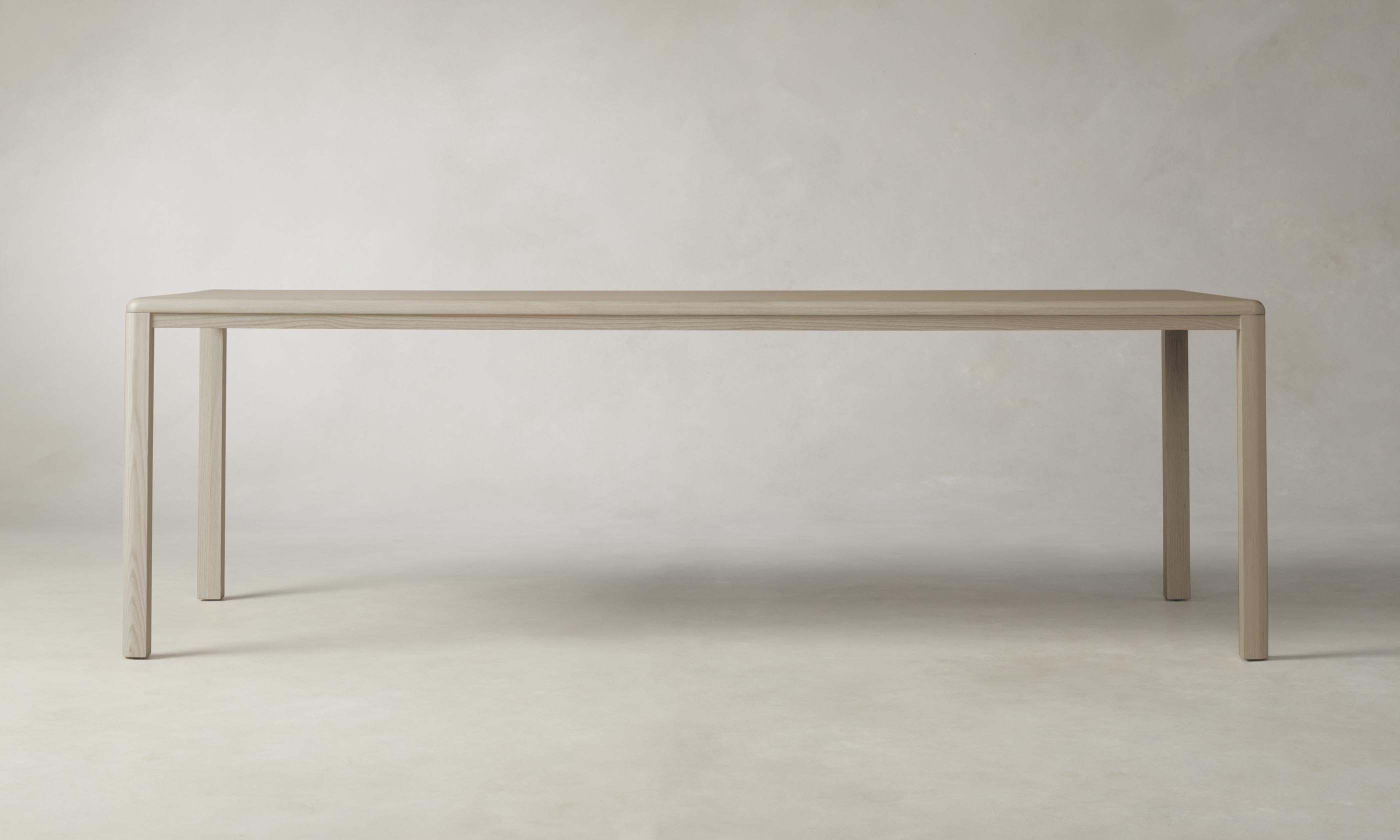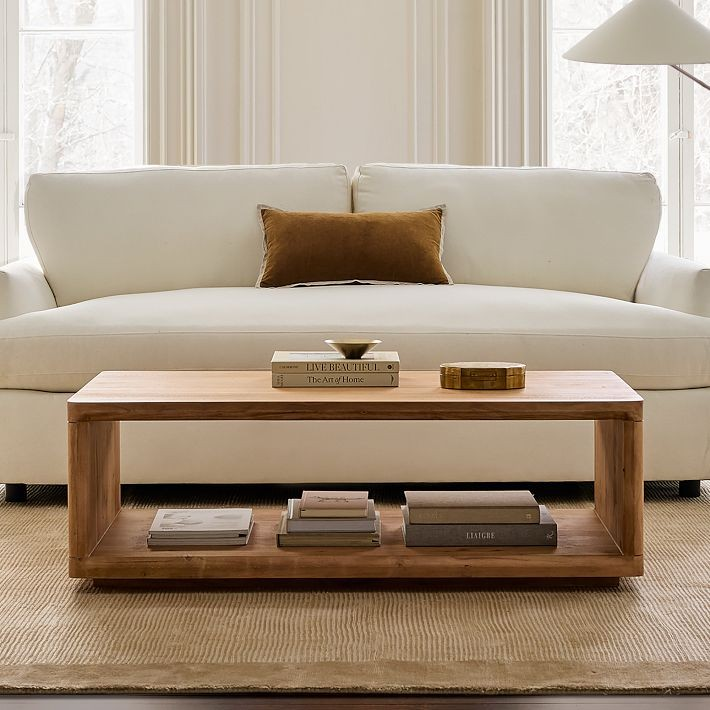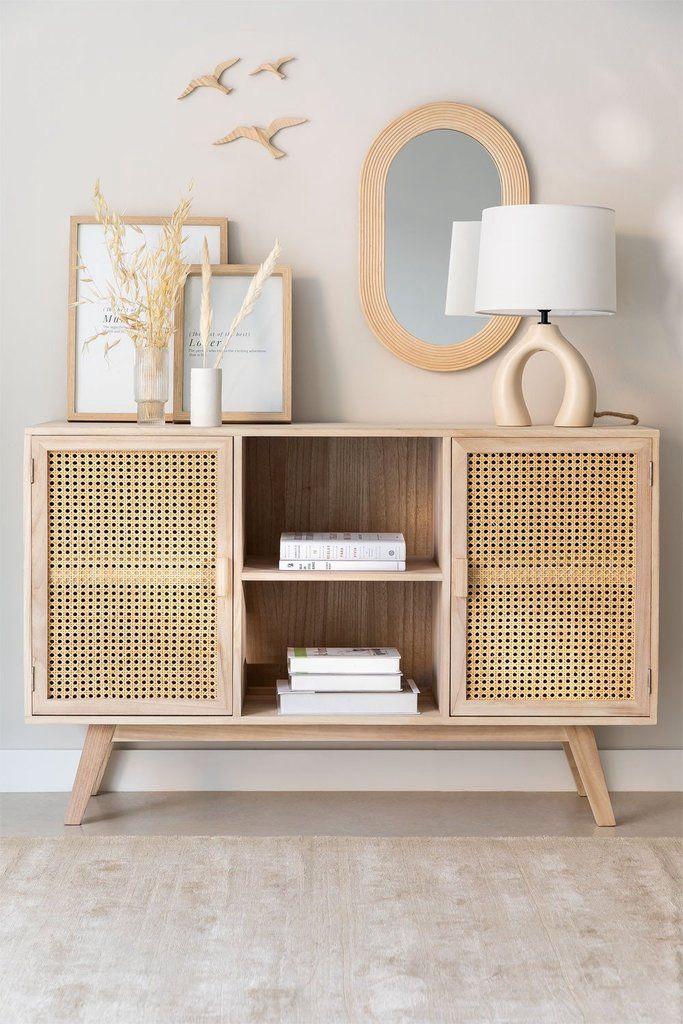
Why It's So Hard to Find Quality Solid-Wood Furniture in Panama

If you've moved to Panama — or you're furnishing a home here — and you've spent weekends hunting for real solid-wood furniture only to find melamine and particle board everywhere, you're not imagining it. Genuinely well-built, solid-wood pieces are surprisingly hard to find in this country. There are concrete reasons why, and understanding them will save you time, money, and a few disappointing purchases.

Here's how the market actually works, how to tell real wood from look-alikes, and what to do if what you want is quality that survives the tropics.

1. What dominates the Panamanian market: panels, not solid wood

Most furniture sold in Panama — especially kitchens, closets, and modular pieces — is built from engineered panels: melamine, MDF, and particle board. These materials are practical: cheap, fast to fabricate, and easy to mass-produce. For a tight budget or a temporary space, they do the job.

The trouble starts when you want something that lasts. These panels aren't solid wood — they're pressed particles or fibers wrapped in a printed layer that imitates wood grain. In Panama's climate, that distinction shows up faster than you'd expect.

2. Solid wood exists here — but it's usually imported and off-the-shelf

Panama does have stores that sell solid and exotic woods — teak, mango, acacia, and others. But most operate as import retailers: they bring in pieces already made abroad and sell them as-is, in standard sizes and standard designs.

It's a legitimate model, but it leaves a big gap: almost no one offers solid wood made to measure. If your space has an unusual shape, if you need an exact dimension, a specific wood, or a design of your own, an imported catalog rarely solves it. You end up adapting yourself to the furniture instead of the furniture being built for you.

That's the real hole in the market — solid-wood pieces designed and built for your home, not pulled from a container.

A note for newcomers: many expats consider shipping furniture from home instead. Be careful — Panama only waives import tax on used household goods up to a set limit, new furniture is dutiable, container shipping takes weeks, and customs is a formal, multi-document process. Often, having quality pieces built locally is simpler than it first appears. (We cover the import-vs-buy-local math in a dedicated post.)

3. Why the difference matters so much in Panama's climate

This is where material stops being a detail and becomes the whole decision. Panama's tropical climate — high humidity nearly year-round, constant heat, and ever-present termites — is brutal on poorly made furniture.

Particle board and melamine tend to swell, warp, and split as they absorb moisture, especially at the edges and joints. In humid areas and through the rainy season, mold and deterioration follow. It's the reason so many pieces "look great on delivery day" and fail within a few years.

Properly cured and sealed solid wood behaves differently: it breathes with the environment instead of breaking down in it. Woods like teak and cedar are especially resilient — teak's natural oils help it resist rot and deter termites, and it moves far less with humidity swings than most woods. None of it is indestructible, but it's in a different league from a wrapped panel.

4. How to tell real solid wood from look-alikes

Before you buy, these checks separate the authentic from the merely convincing:

  • Ask for the exact species. "Wood" on its own is a red flag; "teak" or "certified cedar" is transparency.
  • Lift it and feel the weight. Solid wood is heavy; wrapped particle board feels light and hollow.
  • Look at the edges and joints. On panels, the edge reveals the pressed material under the laminate; on solid wood, the grain is continuous. Look for reinforced joinery (dowels or joints), not just staples and glue.
  • Check the finish. A good seal protects against humidity and extends the life of the piece.

5. The option almost no one offers: solid wood, made to measure

The real answer to the market gap isn't searching the same catalogs harder — it's changing the approach: a piece designed and built for your space, in solid wood suited to the tropics.

Made-to-measure means you decide the dimensions, the wood, the fabric, the height, and the function. The piece is built for your home and for Panama's climate, not for an average. That's the difference between one more piece of furniture and one that defines your space for years.

Frequently asked questions

Why is almost all furniture in Panama melamine or MDF?

Because those materials are cheaper and faster to mass-produce. They work for tight budgets, but they don't offer the durability of solid wood in a tropical climate.

Should I import furniture or buy it locally in Panama?

It depends, but importing is rarely as simple as it sounds: new furniture is dutiable, the used-goods exemption has limits and conditions, shipping takes weeks, and customs is a formal process. Quality pieces built locally often save time and hassle.

What's the best wood for Panama's climate?

Teak stands out for its natural resistance to moisture and termites; cedar and other certified solid woods are also strong choices. What matters most is that it's genuinely solid wood and properly sealed.


Find the solid wood the market won't give you

At Marcelina we design and build solid-wood furniture made to measure — engineered for Panama's climate and built to last — with service in English. If you're tired of searching for real quality, let's talk.

Book a Consultation · Explore our Living Room and Dining collections.

Artículos relacionados

HTML personalizado