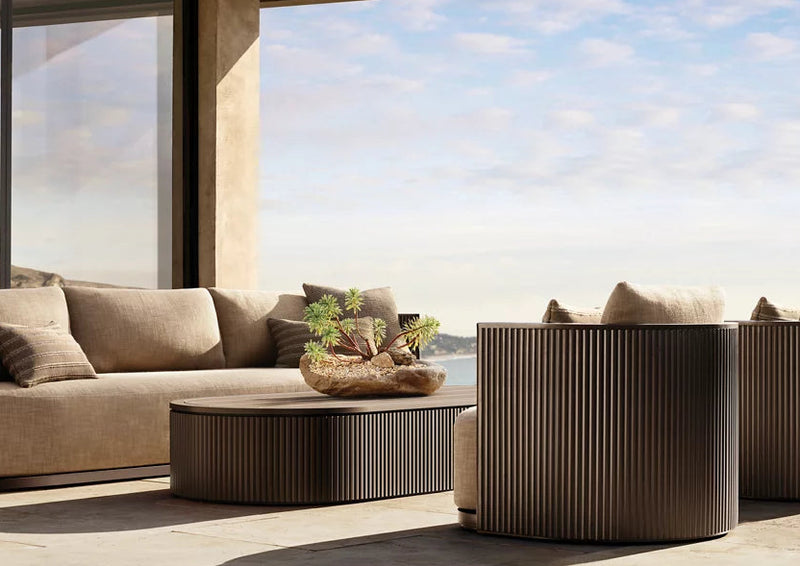
Powder coated aluminium is the dominant structural material for quality outdoor furniture — and for good reason. Aluminium does not rust. Combined with a powder coat finish that provides UV protection, colour stability, and surface hardness, the result is a frame material that can live outdoors year-round, in any climate, with essentially no maintenance required beyond occasional cleaning.
The combination of aluminium's natural corrosion resistance with the durability of a properly applied powder coat addresses the two primary failure modes of outdoor furniture frames: structural rust and surface deterioration. When both are eliminated, the limiting factor for the furniture's lifespan becomes the upholstery — which is why powder coated aluminium is the frame specification that makes the most sense when paired with quality outdoor fabric like Sunbrella or Sunnova acrylic.
It is not the cheapest outdoor frame option — mild steel with a painted finish costs less at point of purchase. But painted steel rusts when the surface is scratched or chipped. Aluminium does not, and the powder coat is significantly more durable than wet paint. Over a five to ten year lifespan outdoors, powder coated aluminium is the better value by a considerable margin.
How Powder Coated Aluminium Is Made
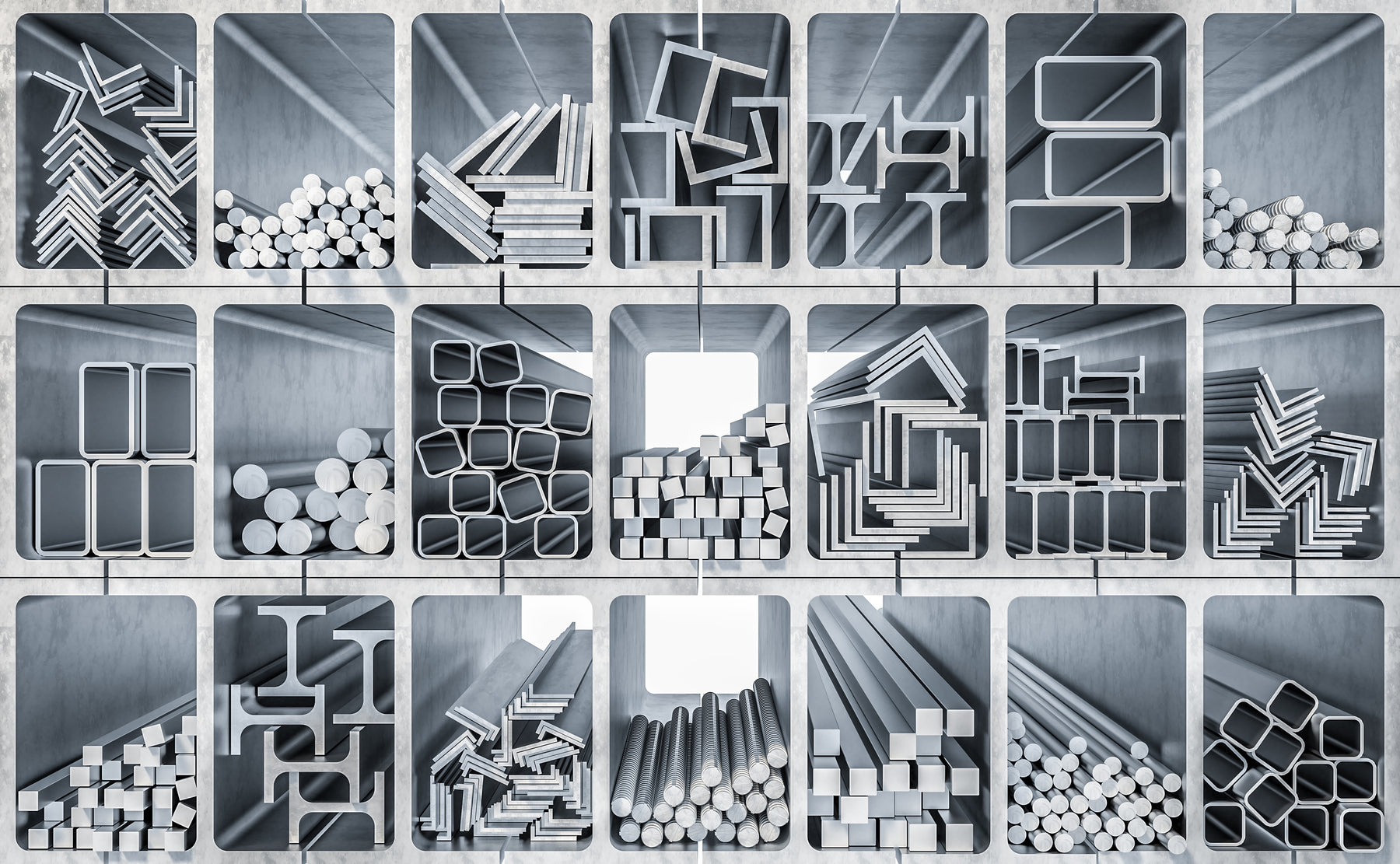
Furniture-grade aluminium frames begin with aluminium alloy extrusions or cast sections — aluminium is extruded through dies to produce consistent profile shapes (square section, round tube, flat bar) that are then cut, mitred, welded, or mechanically joined to form the frame structure. The alloys used in outdoor furniture are typically 6000-series aluminium — specifically 6061 or 6063 — which offer the optimal balance of strength, weldability, and corrosion resistance for this application.
Once the frame is fabricated, it undergoes surface preparation: cleaning, degreasing, and typically a chromate conversion coating or similar pre-treatment that improves powder coat adhesion and provides an additional corrosion barrier at the substrate level. This pre-treatment stage is critical — powder coat applied without proper surface preparation will fail faster under UV and moisture exposure.
The powder coat itself is applied electrostatically — dry powder particles are given an electrostatic charge and sprayed onto the earthed aluminium frame, where they adhere uniformly across the full surface including recesses and edges. The coated frame is then passed through a curing oven at 180–200°C, melting and fusing the powder into a continuous, hard, cross-linked polymer film.

Why Thickness Matters
Quality powder coat for outdoor furniture should be 60–80 microns thick. Below 50 microns, UV resistance and chip resistance are compromised. Above 100 microns, the coat can become brittle and prone to cracking at joints. Specifying a minimum 60µm coat thickness — and verifying this with a coating gauge on samples — is a basic quality check that separates quality manufacturers from those cutting costs in the finishing process.
Powder Coat Finish Options
One of the significant advantages of powder coating is the range of colours, textures, and sheens available. Any RAL colour can typically be specified, and a range of surface textures are available within the powder coat system.
Matte / Flat
The most popular finish for quality outdoor furniture. A matte powder coat has no reflective sheen, sits naturally against outdoor environments, and shows fingerprints and minor surface marks least. The low sheen also conceals minor surface imperfections better than satin or gloss. Our standard outdoor specification.
Satin
A low to medium sheen — more reflective than matte but without the high gloss of a polished finish. A good compromise between the natural look of matte and a degree of visual refinement. Often used for indoor-outdoor pieces where the frame will be seen in both environments.
Textured / Wrinkle
A deliberate surface texture in the powder coat — fine wrinkle, orange peel, or sand textures that add tactile and visual interest to the frame surface. Textured finishes also hide minor substrate imperfections more effectively than smooth finishes, making them practical for frames with extensive welding.
Metallic Powder Coat
Metallic pigment particles in the powder produce a shimmer or metallic appearance — silver, bronze, gold, or gunmetal effects. The appearance is closer to a painted metallic effect than to polished or brushed metal, but produces a visually richer surface than a standard flat colour. Popular for pieces intended to appear more premium.
Colour Range
Powder coat is available in the full RAL colour spectrum — over 200 standard colours and custom matches on volume orders. Neutral tones (anthracite, white, sand, bronze) are most commonly specified for outdoor furniture. Dark colours absorb more heat in direct sun and can become uncomfortable to touch in high temperatures.
Metal Structures Compared
| Material | Outdoor Use | Corrosion Resist. | Weight | Maintenance | Price |
|---|---|---|---|---|---|
| Powder Coat Aluminium | Exceptional | Exceptional | Very Light | Near Zero | Mid-range |
| Stainless Steel | Very Good | Excellent | Heavy | Very Low | Premium |
| Iron / Cast Iron | Limited | Requires Treatment | Very Heavy | Moderate | Accessible |
Pros & Cons for Furniture Frames
Advantages
- Does not rust — aluminium forms a self-healing oxide layer
- Very lightweight — easy to move and reconfigure outdoor furniture
- Near-zero maintenance required outdoors
- Powder coat provides UV-stable colour and surface hardness
- Full RAL colour range available
- Excellent long-term value — outlasts painted steel significantly
- Fully recyclable at end of life
Considerations
- Less visual weight and presence than steel or iron
- Can feel less substantial than heavier metal frames
- Powder coat can chip at impact points over time
- Dark colours absorb heat — can be hot to touch in direct sun
- Welded joints require quality control — poor welds show under coat
Where Powder Coated Aluminium Works Best
Year-Round Outdoor Furniture
The primary application. Dining sets, lounge suites, sun loungers, and occasional chairs that live outdoors permanently — through rain, sun, frost, and salt air. Powder coated aluminium is the only metal frame specification that requires no winter treatment, no rust prevention, and no protective storage for long-term outdoor use.
Coastal & Marine Environments
Salt air attacks unprotected steel rapidly. Even galvanised or painted steel will eventually succumb to salt spray corrosion. Aluminium's natural oxide layer and the powder coat together are genuinely resistant to salt air environments — making powder coated aluminium the correct specification for beachside, marina, or rooftop coastal furniture.
Lightweight Stacking & Reconfigurable Furniture
Aluminium's low density — approximately one third that of steel — makes furniture that can be moved, stacked, and reconfigured easily. For outdoor dining chairs, event furniture, and pieces that need to be rearranged frequently, the weight advantage of aluminium over steel is immediately felt and practically valuable.
Commercial Outdoor Hospitality
Restaurants, hotels, and commercial terraces where furniture is in intensive daily use and must look good with minimal maintenance. Powder coated aluminium handles commercial outdoor environments better than any alternative frame material at its price point — the combination of durability, low maintenance, and colour stability is exactly what commercial operators need.
How to Care for Powder Coated Aluminium
| Routine cleaning | A rinse with water and wipe with a damp cloth removes most surface soiling. For more thorough cleaning, mild soap and water with a soft cloth. Rinse and dry. This is sufficient for the large majority of maintenance situations and can be done as infrequently as once per season without issue. |
| Stubborn marks | Bird droppings, tree sap, and sunscreen residue can be removed with isopropyl alcohol or a dedicated powder coat cleaner applied with a soft cloth. Avoid abrasive cleaners or scourers which will scratch the coating surface. |
| Chips & scratches | If the powder coat is chipped to bare metal, the exposed aluminium will not rust — it will form a stable oxide layer. However, the aesthetic damage is irreversible without professional refinishing. Touch-up powder coat is available in standard colours and can be applied with an aerosol rattle can formulation for minor chips. |
| Protecting the finish | An annual application of car wax or a dedicated powder coat protectant adds a UV-protective layer over the coating and maintains the surface sheen. This is optional for most applications but adds meaningful protection in extreme UV or salt air environments. |
| Winter storage | Not required — powder coated aluminium can remain outdoors through winter without any risk to the frame. If cushions are removed for storage, a furniture cover protects the frame from debris and maintains the finish condition over winter. |
Is Powder Coated Aluminium Right for Your Project?
Choose powder coated aluminium if…
The furniture will live outdoors permanently or seasonally, especially in a coastal, high-UV, or wet climate. It is the default correct specification for any quality outdoor furniture frame — the combination of zero rust risk, near-zero maintenance, light weight, and colour range make it the most practical outdoor frame material available.
Choose stainless steel if…
Visual weight, premium material presence, and structural rigidity are priorities — for a statement piece, a commercial installation, or a piece that will be seen primarily indoors but needs outdoor capability. Stainless steel is heavier and more expensive but has a material quality that aluminium does not replicate.
Choose iron if…
The application is indoor-only, the visual character of cast iron — the weight, the texture, the decorative detail — is what the design requires, and you accept the maintenance commitment. Iron has no place in a permanent outdoor specification without heavy-duty protection.