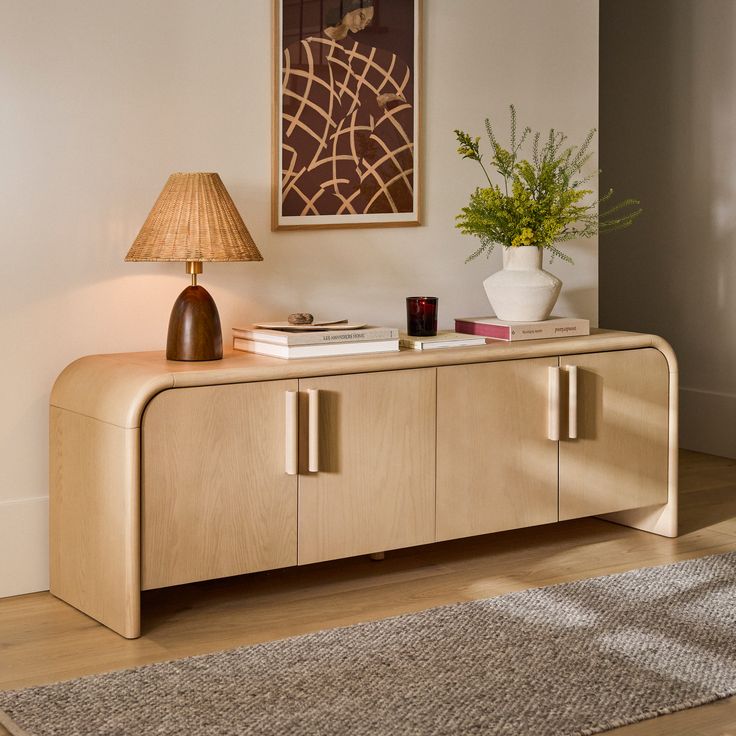
Ash is one of the great working timbers — pale, straight-grained, hard, and exceptionally shock-resistant. It has been used in furniture for centuries not because it is the most visually dramatic wood available, but because it is reliably excellent: strong, workable, stable, and honest in its appearance.
European ash (Fraxinus excelsior) is the species most commonly found in quality furniture. Its creamy white to pale brown heartwood is clean and contemporary in character — a wood that suits minimalist and Scandinavian-influenced design particularly well, and that takes stain and finish evenly across its relatively fine, consistent grain.
Ash is an indoor wood. It does not have the natural oils that protect teak or the density that makes oak so weather-tolerant. But for indoor furniture — frames, legs, dining chairs, desk structures — it is a first-rate material that punches well above its price point.
Grain, Colour & Visual Character
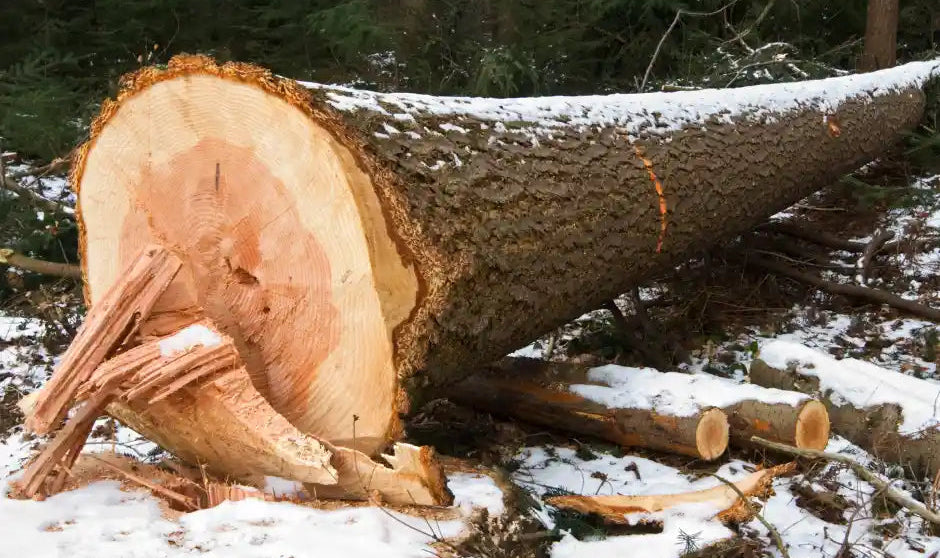
Ash has a straight, moderately coarse grain with a ring-porous structure — the growth rings are clearly visible as distinct lines running along the board length. This produces the characteristic cathedral pattern seen on flatsawn ash: sweeping arched grain lines that are bold and clearly defined without the drama of oak's medullary rays.
The natural colour of ash heartwood is pale cream to light tan, often with a slight olive or yellowish cast. The sapwood is almost white and frequently used alongside heartwood for its clean, contemporary appearance. Olive ash — produced by fungal activity — develops striking dark brown or olive streaking through the pale ground and commands a premium as a decorative grade.

Olive Ash — A Premium Colour Variant
Olive ash is ash timber that has developed distinctive dark olive, brown, or grey streaking through the heartwood as a result of fungal activity during the tree's life. The streaking is unpredictable and cannot be specified precisely — it is a natural occurrence. Where it appears, it transforms pale ash into a visually striking material with considerable character, often sold as a premium grade.
Working Properties & Structure
Ash's defining characteristic is its exceptional toughness — its ability to absorb shock without splitting or splintering. This is why it has been used for tool handles, oars, and sports equipment for centuries: it can flex under load and return without permanent deformation in ways that harder, more brittle woods cannot.
For furniture, this toughness translates into excellent resistance to the knocks, stresses, and loading that frames and legs encounter in daily use. Ash joints hold well, it cuts and planes cleanly, and it finishes to a smooth surface that takes both stain and clear finish evenly. It responds exceptionally well to steam bending — it can be formed to tight curves without cracking, making it ideal for chair backs, bent legs, and curved structural elements.
Ash does not have significant natural oils or preservatives, which limits its outdoor suitability — moisture penetration over time causes degradation without treatment. For indoor use in a controlled environment, it performs consistently and reliably.
Shock Resistance
The highest of common European hardwoods. The flexible grain absorbs impact rather than fracturing — critical for furniture legs and frames experiencing dynamic daily loading.
Steam Bending
Responds exceptionally well — can be formed to tight curves without cracking when properly prepared. Ideal for chair backs, bent legs, and any curved structural components.
Finishing
Finishes evenly across oils, lacquers, and stains. The ring-porous structure creates subtle contrast between early and late wood in stained surfaces — characteristic, not a defect.
Stability
Moderately stable when well-dried. Moves predictably with humidity changes. Reliable in temperature-controlled indoor environments; not ideal in spaces with extreme humidity swings.
How Ash Is Used in Furniture
Chair Frames & Dining Furniture
One of the finest chair-making timbers. Shock resistance and steam bending allow the slender, elegant frames good chair design requires while delivering the structural integrity for years of dynamic loading. Scandinavian and mid-century dining furniture relied on ash for precisely this combination.
Sofa & Upholstered Furniture Frames
An excellent choice for exposed furniture frames — legs and structural elements visible when a piece is upholstered. The pale colour works across a very wide range of fabrics and finishes, and the toughness is ideal for frames under sustained load.
Desk & Table Structures
Machines to precise dimensions, holds fixings reliably, and finishes to a quality appropriate for fine furniture. A practical and refined choice for legs, aprons, and structural components.
Bent & Curved Components
Where a design calls for curved wood, ash is among the first choices. Its steam-bending responsiveness allows tight radii that would crack more brittle species, and the bent component is strong and stable once dried in form.
Wood Species Compared
| Species | Hardness | Stability | Outdoor Use | Aesthetic | Price |
|---|---|---|---|---|---|
| Ash | Hard | Moderate | Indoor only | Pale, clean | Affordable |
| Oak | Very Hard | Good | With treatment | Rich, characterful | Mid-range |
| Teak | Hard | Excellent | Excellent | Warm, golden | Premium |
| Walnut | Hard | Good | Indoor only | Dark, luxurious | Upper mid |
Pros & Cons for Furniture
Advantages
- Exceptional shock resistance and toughness
- Excellent steam bending — enables curved forms
- Clean, pale aesthetic suits contemporary design
- Finishes evenly — stain and oil both work well
- Workable and precise — machines and joints cleanly
- Most affordable quality hardwood in this series
- Reliable structural material for upholstered frames
Considerations
- Not suitable for outdoor use without significant treatment
- Pale colour yellows slightly with age and UV exposure
- Moderate colour stability in extreme humidity
- Less visually dramatic than walnut or figured oak
- European supply affected by ash dieback disease
Finishing Options for Ash
Clear Oil or Hard-Wax Oil
The most natural finish — preserves the pale colour, enhances the grain, leaves a low-sheen surface that feels like wood rather than a coating. The ring-porous grain drinks oil evenly. Easy to refresh and repair over time. Preferred for contemporary and Scandinavian-influenced pieces.
Lacquer or Waterborne Finish
More durable and moisture-resistant — particularly suited to tabletops and work surfaces. Seals the grain, provides a consistent sheen level from matt to gloss, and is more protective for surfaces seeing regular water or cleaning product contact.
Stain + Clear Finish
Ash accepts stain evenly, making it practical when a specific colour tone is required — amber tones, darker walnut-like browns, or grey-washed for a contemporary look. The ring-porous structure creates subtle contrast between early and late wood in the stained surface.
Fumed or Thermally Modified
Both processes darken ash to a warm brown or grey without surface stain. Thermally modified ash also gains improved resistance to moisture and movement — sometimes specified for semi-exposed applications where standard ash would be at risk.
Caring for Ash Furniture
| Daily care | Wipe with a dry or slightly damp cloth. Avoid excess moisture — ash does not have the natural oils of teak and prolonged water exposure will raise the grain and cause movement over time. |
| Spill response | Blot immediately — do not wipe and spread. The ring-porous structure can absorb liquids faster than denser species. Once dry, lightly sand any raised grain and re-apply the finish to the affected area. |
| Oiled surfaces | Refresh annually or when the surface looks dry. Clean first, dry fully, apply a thin coat of the original oil. Buff off excess before it becomes tacky. One maintenance coat is usually sufficient. |
| Lacquered surfaces | Clean with a soft cloth and mild soap. Avoid abrasive cleaners and silicone or wax products — both prevent adhesion if the surface ever needs refinishing. Minor scratches can often be polished out. |
| UV exposure | Ash yellows and deepens slightly with prolonged UV — a gradual, natural process. If colour consistency is a priority, position away from direct sunlight or use UV-filtering window treatments. |
Is Ash Right for Your Project?
Choose ash if…
You want a clean, contemporary aesthetic with pale, honest grain character. If the piece involves curved components, ash's steam-bending capability is a significant practical advantage. It is also the right choice when budget is a genuine consideration — ash delivers quality hardwood performance at the most accessible price point in this series.
Choose oak instead if…
You want more visual character and grain depth, better moisture tolerance, or a wood that ages with greater presence. Oak is denser and more dramatically grained — right for pieces where the wood itself is a design statement.
Choose walnut instead if…
Deep, dark colour and a sense of luxury are the priority. Where ash is pale and restrained, walnut is rich and declarative. Both are excellent indoor furniture timbers — the choice is primarily aesthetic.