Oak is the defining hardwood of European furniture making. Dense, hard, strong, and deeply characterful, it has been the material of choice for quality furniture for centuries — not because of fashion but because of performance. It ages exceptionally well, developing a rich patina over decades that makes old oak furniture more beautiful than new.
European oak (Quercus robur and Quercus petraea) is the standard for quality furniture work. American white oak (Quercus alba) is broadly similar in character and widely used as well. Both are ring-porous hardwoods with the distinctive medullary ray figure that gives oak its unmistakable visual character.
Oak is a predominantly indoor wood but is more weather-tolerant than ash or walnut when properly finished. In covered outdoor settings with regular maintenance, it performs acceptably. It is not, however, a substitute for teak in fully exposed conditions.
Korrel, kleur en visueel karakter
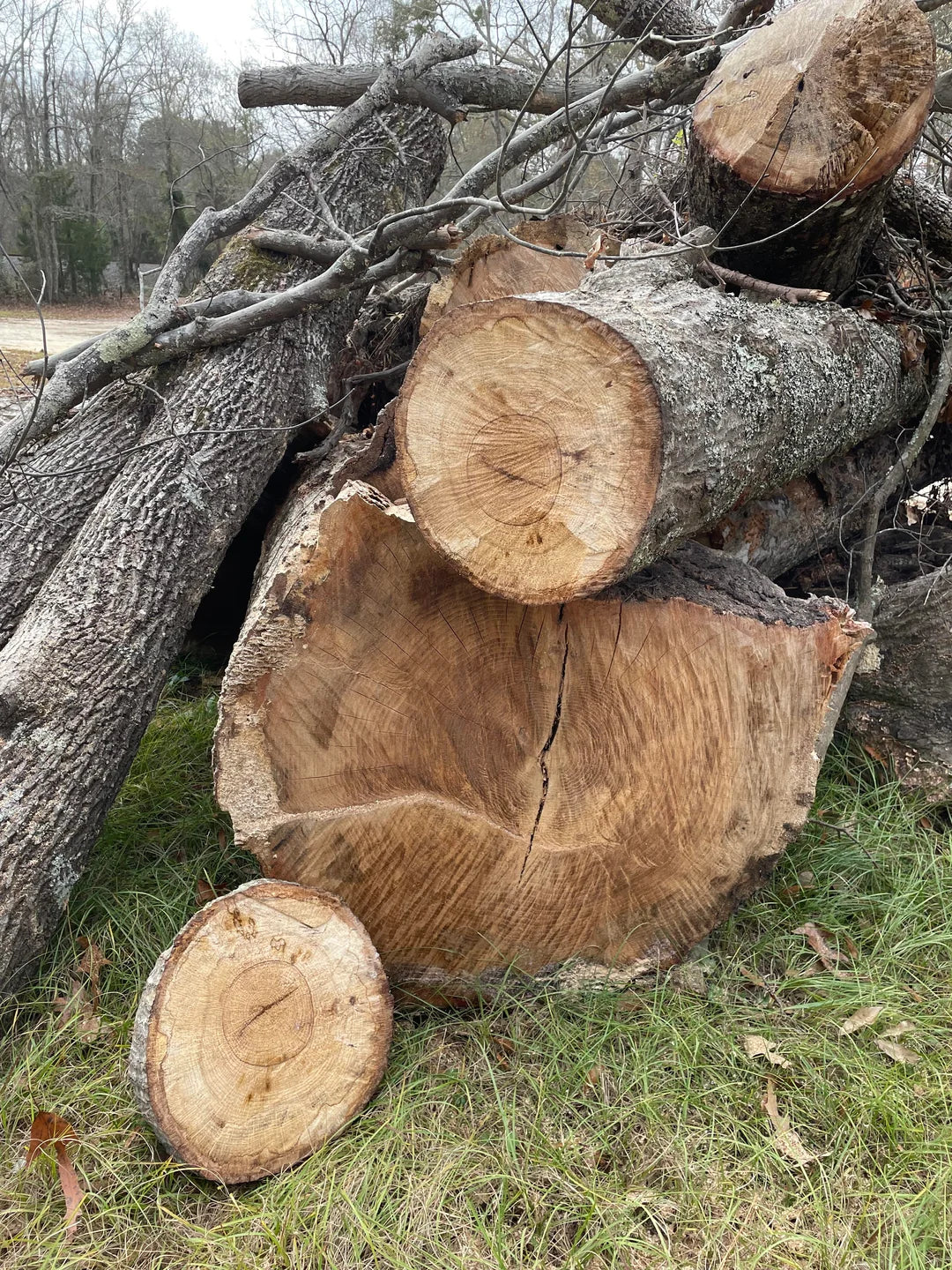
Eikenhout is direct herkenbaar. De ringporige nerf creëert sterke, duidelijke jaarringlijnen langs de planklengte, maar wat eiken onderscheidt van essen en andere ringporige soorten, zijn de mergstralen — cellen die vanuit het midden van de boom naar buiten stralen en loodrecht op de jaarringen staan. Wanneer eikenhout kwartiers gezaagd of op dosse gezaagd is, zijn deze stralen zichtbaar op het oppervlak van de plank als kenmerkende zilveren of gouden vlekpatronen.
The heartwood colour of European oak is warm tan to light brown with yellowish or olive tones, darkening over time to a rich, golden-honey brown. Freshly cut oak can have quite a green-tinted or olive cast that resolves to warmer tones as the wood cures and is exposed to light. American white oak is very similar; red oak has a distinctly pinkish-red cast that makes it visually quite different.

Kwartiersgezaagd versus Dosse gezaagd eikenhout
De zaagwijze van het hout heeft een enorme invloed op het uiterlijk van eikenhout. Dosse gezaagd eikenhout vertoont vlamtekeningen die vergelijkbaar zijn met die van essen. Kwartiers gezaagd eikenhout – onder een hoek ten opzichte van de groeiringen gezaagd – laat de medullaire stralen als een opvallende zilveren of gouden vlek over het houtoppervlak zien. Kwartiers gezaagd is ook vormvaster en minder gevoelig voor kromtrekken. Het is de traditionele zaagwijze voor fijne meubels en panelen, hoewel het meer afval oplevert en een hogere prijs heeft.
Werkende Eigenschappen & Structuur
Oak is a very hard, very dense hardwood with excellent structural properties. It holds fixings and joints exceptionally well — oak joints were the basis of traditional mortise-and-tenon construction for centuries for good reason. Its hardness makes it resistant to denting and abrasion in daily use, and its density gives furniture made from it a sense of solidity and permanence.
Oak contains tannins — natural compounds that make it resistant to fungal and insect attack, and that also react with iron fittings to produce black staining. This tannin content gives oak its moderate outdoor tolerance: it is significantly more resistant to weathering than ash or walnut without treatment, though it still benefits from protection in exposed outdoor positions.
Het bewerken van eikenhout vereist scherp gereedschap – het is harder dan essen en maakt sneller botte snijvlakken. Het kan met de hand geschaafd en machinaal tot mooie oppervlakken worden verwerkt, maar het is minder vergevingsgezind dan essen voor buigen of vormen. De grovere nerf van kwartiersgezaagd eikenhout betekent ook dat het aanbrengen van een afwerking zorgvuldig schuren en polijsten vereist om een echt glad oppervlak te verkrijgen. Goed bewerkt en afgewerkt eikenhout behoort tot de meest bevredigende materialen in meubels.
Hardness & Density
Very hard and dense — more so than ash, teak, or walnut. Resists denting and abrasion well in daily use. The weight and density give oak furniture a satisfying solidity not present in lighter species.
Tannin Content
High tannin levels give oak moderate natural resistance to fungi and insects — more weather-tolerant than ash or walnut without treatment. The same tannins cause dark staining on contact with iron; use stainless steel or brass fixings throughout.
Dimensional Stability
Oak moves with humidity — particularly flatsawn boards, which are prone to cupping. Quartersawn oak is significantly more stable. In indoor environments with reasonable humidity control, both perform well over time.
Patina Development
One of oak's most valuable qualities — it ages exceptionally well. The colour deepens and enriches over decades, the grain becomes more defined, and the surface develops a quality that cannot be replicated on new timber or manufactured board materials.
Hoe eikenhout wordt gebruikt in meubels
Massief houten tafelbladen en oppervlakken
Oak is one of the primary materials for solid wood dining tables, desk tops, and coffee table surfaces. Its hardness resists scratching and denting in daily use, the grain character makes every surface visually unique, and the way it ages over years of use into a richer, deeper colour is exactly what clients investing in solid wood furniture are seeking.
Constructieve Meubelframes
For visible frames, legs, and structural components in furniture of lasting quality, oak is a primary choice. Its hardness and tannin content make it more weather-tolerant than ash for pieces used in covered outdoor settings, and its visual authority suits both traditional and contemporary furniture design.
Kasten en Opbergmeubelen
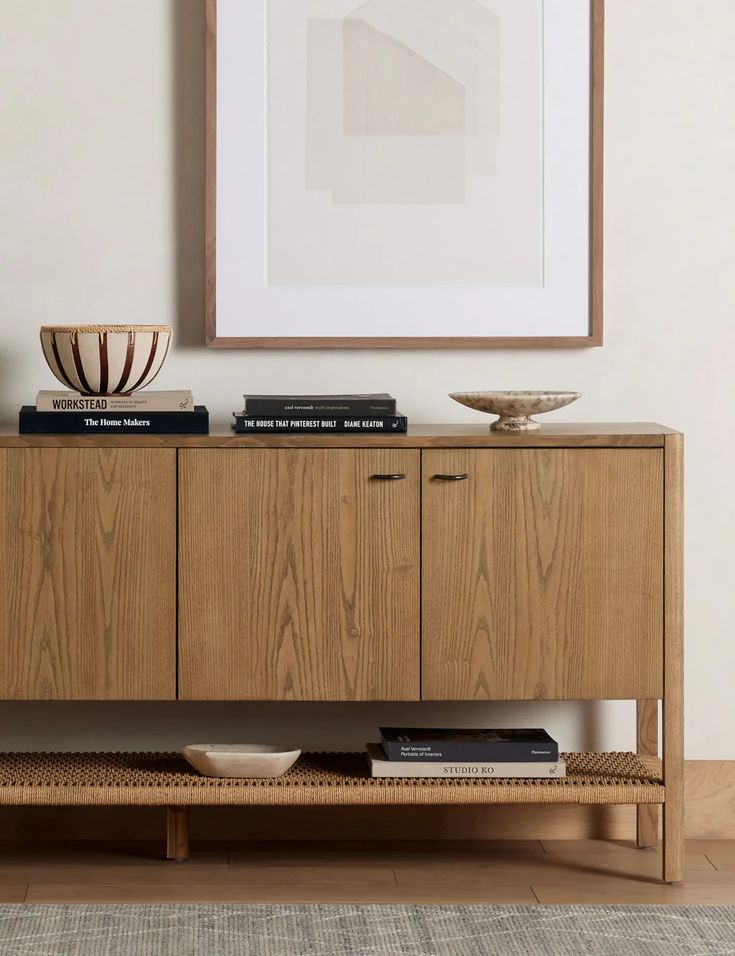
Oak's hardness, stability, and grain character make it excellent for wardrobes, sideboards, bookcases, and storage pieces. Quartersawn oak in particular — with its figured ray surface — has been the material of choice for Arts and Crafts and Mission-style furniture where the wood itself is the design centrepiece.
Semi-Buiten & Tuinmeubilair
With appropriate treatment — regular oiling or sealing — oak performs acceptably in covered outdoor environments: a loggia, a garden room, a covered terrace. It is not a full outdoor substitute for teak, but it is significantly more weather-tolerant than ash or walnut and can bridge the gap between indoor quality and outdoor exposure in sheltered settings.
Wood Species Compared
| Soort | Hardheid | Stabiliteit | Outdoor Use | Esthetisch | Prijs |
|---|---|---|---|---|---|
| Eik | Erg Moeilijk | Goed | With treatment | Rich, characterful | Middenklasse |
| As | Moeilijk | Matig | Indoor only | Pale, clean | Affordable |
| Teak | Moeilijk | Uitstekend | Uitstekend | Warm, golden | Premium |
| Walnoot | Moeilijk | Goed | Indoor only | Dark, luxurious | Boven het midden |
Voors en tegens voor meubels
Advantages
- Exceptional hardness and density — resists denting and wear
- Rijke graankarakteristiek die zich ontwikkelt met de jaren
- Naturally tannin-rich — more weather-tolerant than most hardwoods
- Houdt voegen en bevestigingsmiddelen uitstekend vast
- Kwartiers gezaagde tekening is uniek mooi
- Ages into a richer, more valuable material over decades
- Breed assortiment aan kwaliteiten en snitten beschikbaar
Considerations
- Heavier than ash or walnut — structural implications for large pieces
- Looizuren vlekken zwart bij contact met ijzerbeslag
- Flatsawn oak prone to cupping without good humidity control
- Harder to work than ash — blunts cutting edges faster
- Not a full outdoor wood — requires treatment in exposed positions
- Hogere prijs dan as bij gelijkwaardige kwaliteit
Afwerkingen voor Eikenhout
Hard-Wax Oil
The most popular finish for contemporary oak furniture. Penetrates the grain, enhances the natural colour and figure without a plastic-like surface coating, and is easy to maintain and repair locally. Allows the wood to breathe and develop naturally. Applied 2-3 coats initially with annual maintenance; the standard for quality residential oak furniture.
White or Limed Oak
A white pigment oil or liming wax applied to raise and fill the open grain creates a bleached, Scandinavian aesthetic that emphasises the grain structure. Very popular in contemporary interiors — gives oak a cooler, lighter character quite different from its natural warm tan. The finish is maintained with a white oil top-up rather than a clear product.
Fumed / Smoked Oak
Exposing oak to ammonia fumes reacts with the tannins to darken the timber to a deep grey-brown without any surface stain. The colour change is through the entire board — it cannot be sanded through. Smoked oak is one of the most sophisticated contemporary finishes, producing a material with depth and richness that surface staining cannot replicate.
Lak voor werkbladen
For dining table tops and desk surfaces, a waterborne lacquer over the oak provides better moisture and stain resistance than oil alone. The lacquer seals the grain; a matt or satin sheen keeps the visual character natural. For surfaces in heavy daily use, lacquer maintenance is significantly easier than oil.
Verzorging van Eiken Meubelen
| Daily care | Wipe with a dry or slightly damp cloth. Avoid excess water — oak does not rot easily but sustained moisture will darken the surface and raise the grain. Dry any wet surfaces promptly. |
| Spill response | Blot immediately. The open grain of oak can absorb liquids — red wine, coffee, and acidic drinks especially should be removed as quickly as possible. Once dry, lightly sand any raised grain and re-apply the finish. |
| Oiled surfaces | Annual re-oiling maintains protection and appearance. Clean thoroughly, allow to dry completely, then apply a thin coat of the original oil. Buff off excess. The surface will gradually build a richer tone and depth with successive oil treatments over years. |
| Lacquered surfaces | Regular cleaning with a soft cloth and mild soap. Avoid silicone-based cleaners and wax polishes on lacquered surfaces. Deep scratches or worn areas can be sanded back and refinished; lacquered surfaces generally require less frequent maintenance than oiled. |
| Iron contact | Oak's tannins react with iron to produce black staining that is very difficult to remove. Use stainless steel, brass, or other non-ferrous hardware and fixings throughout. If black staining occurs from a ferrous source, oxalic acid can reduce but not always eliminate the discolouration. |
| Halfopen zorg | For oak in covered outdoor positions, re-oil every 6 months with a product suitable for external use. Keep the piece off the ground to prevent moisture wicking from below. Bring cushions and upholstered components indoors in wet weather. |
Is eikenhout geschikt voor uw project?
Choose oak if…
You want a wood with genuine visual authority — grain character, figure, and the kind of presence that increases rather than decreases with age. Oak is the right choice for furniture intended to last decades: dining tables, storage pieces, statement frames. It is also the most weather-tolerant option for indoor furniture that might occasionally live in a covered outdoor space.
Choose ash instead if…
A cleaner, paler aesthetic is the priority, or if the design requires curved components. Ash's steam-bending capability and lighter colour suit contemporary and Scandinavian-influenced design where oak might feel too heavy or too dominant.
Kies in plaats daarvan teak als...
The furniture will be in a genuinely exposed outdoor position. Oak with treatment tolerates covered outdoor use; fully exposed positions in varied weather demand teak's natural oil content and superior weather resistance.